Author: oowoah

  • Meeting Scheduling Across Time Zones: What Actually Helps?

    Meeting Scheduling Across Time Zones: What Actually Helps?

    Make the time unambiguous

    An invitation saying 10 am is not enough for an international team. Use a calendar invitation with the correct time zone and check the local time for each participant. Seasonal clock changes happen on different dates in different countries, so a familiar time difference may not apply throughout the year.

    Share the inconvenience fairly

    List people’s normal working hours and identify the overlap. If no comfortable slot exists, rotate the less convenient time rather than asking the same office to join early or late every week. Explain why the live meeting is necessary and keep it focused on work that requires people to respond together.

    Use written preparation to shorten the live session

    Send updates and questions in advance. Ask attendees to add comments before a stated deadline, giving everyone enough time in their own working day. Use the meeting to resolve the points that remain. Share a short record afterwards, including decisions, owners and dates, so absent colleagues can follow the outcome.

    Remember that a different platform does not change the clock

    Video calls and VR meetings can remove travel, but neither removes time-zone differences. A virtual room may suit a workshop while written feedback suits a routine update. Choose the format and timing separately. For public events, clearly display the event time zone and explain whether a replay will be available.

    Explore the next step

    If this is a challenge for your organisation, find out whether a different meeting or event format could help. Explore OowOah VR Meeting Rooms.


  • How to Bring Teams Together Across Different Office Locations

    How to Bring Teams Together Across Different Office Locations

    Start with a shared reason to meet

    Bringing several offices together can involve travel budgets, conflicting diaries and rooms with different equipment. First decide what needs a live discussion. Routine updates can be shared beforehand, leaving the meeting for questions, decisions and collaborative work. Invite people because their input is needed, rather than because they belong to a particular office.

    Give every location the same information

    Send one agenda, one set of current documents and a clear joining guide. Appoint a facilitator who can check that every location is heard. Where several people share a physical room, make sure remote colleagues can hear individual speakers and see the material being discussed.

    Avoid creating a main office and an audience

    A common difficulty is that one room has most of the people and the conversation, while other offices watch. Ask each location for input at agreed points. Read out questions submitted remotely and summarise local side conversations. If possible, use a format where participants have comparable access to speaking and shared content.

    Test a shared virtual space

    VR meeting rooms can bring headset users from different locations into the same virtual environment. They still need a clear agenda, good audio and confident facilitation. Pilot the format with a small cross-office group, provide an alternative for anyone unable to use a headset and assess whether it supports the particular work you need to do.

    Explore the next step

    If this is a challenge for your organisation, find out whether a different meeting or event format could help. Explore OowOah VR Meeting Rooms.
  • Can’t Attend a Conference? Alternatives to Travelling in Person

    Can’t Attend a Conference? Alternatives to Travelling in Person

    Check what you want from the event

    A conference can provide presentations, networking, demonstrations and time with colleagues. Remote access may cover some of these activities and miss others. Identify the sessions or conversations that matter most before deciding whether an online ticket, replay or alternative meeting is enough.

    Ask what the remote ticket includes

    Check whether you will watch live, receive recorded sessions or have access to questions. Confirm the event time zone and replay availability. Do not assume a remote ticket includes every part of the venue programme. A clearly described offering helps attendees choose without disappointment.

    Consider the viewing experience

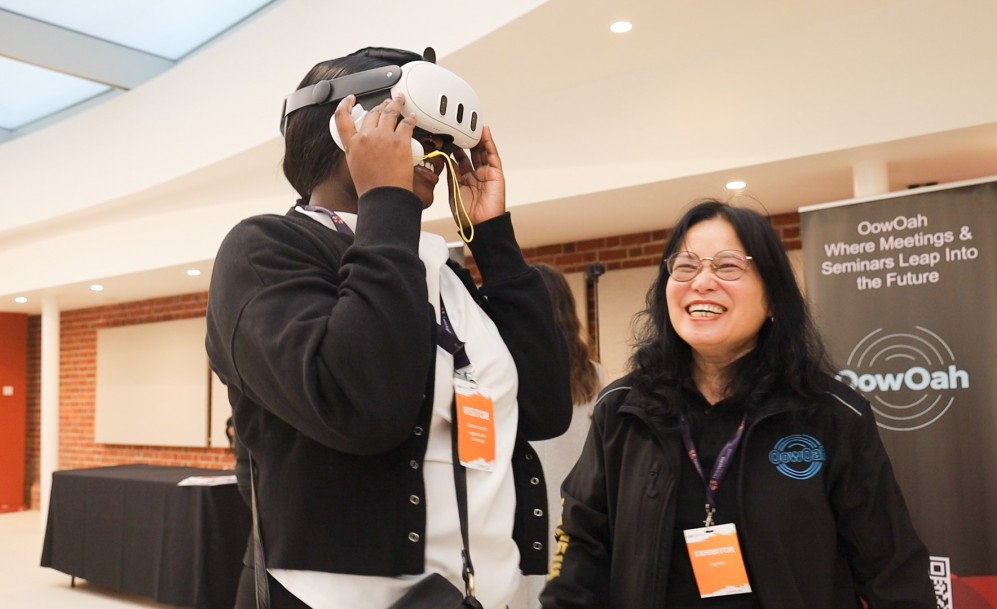
    A conventional stream shows the camera view chosen by the production team. A live 360-degree stream can let compatible headset viewers look around from the camera’s position. Neither gives unrestricted movement through the venue. Good sound, a useful camera position and clear presentation content matter whichever format is used.

    Organisers can plan for people who cannot travel

    Remote access can provide another way to attend when distance or commitments make an in-person visit difficult. OowOah Live VR is designed to add a headset audience alongside a venue audience. Check the published service information for launch timing and requirements. For any event, confirm the available format before booking.

    Explore the next step

    If this is a challenge for your organisation, find out whether a different meeting or event format could help. Explore OowOah Live VR events.

  • Do You Need Technical Skills to Use VR for Business?

    Do You Need Technical Skills to Use VR for Business?

    You need an introduction, not a technical qualification

    A new headset can look unfamiliar, especially to someone who has never used VR. The first session should focus on getting comfortable, understanding the basic controls and joining the intended activity. Avoid making an important client meeting someone’s first unassisted experience.

    Prepare the device before the session

    Charge the headset, check the required application and confirm account access. Follow the device instructions for a suitable environment and boundary setup. Give the user a simple joining guide, including who to contact if they need help. Preparation reduces the amount of troubleshooting needed during the meeting.

    Teach only the controls needed

    For an introductory meeting, show how to join, hear others, speak and leave. Explain any presentation or note-taking controls when they become relevant. A short practice session is more useful than a long tour of every feature. Let people ask questions and make adjustments before the scheduled discussion begins.

    Keep participation flexible

    Some people may be uncomfortable in a headset or unable to use one. Plan an alternative and offer breaks. The person arranging business VR needs to understand the access process, but does not need to develop the software. Start with a supported trial, assess the experience and decide whether it suits the team and its work.

    Explore the next step

    If this is a challenge for your organisation, find out whether a different meeting or event format could help. Explore OowOah VR Meeting Rooms.
  • VR Meetings vs Video Calls: What Is Different?

    VR Meetings vs Video Calls: What Is Different?

    The main difference is the shared environment

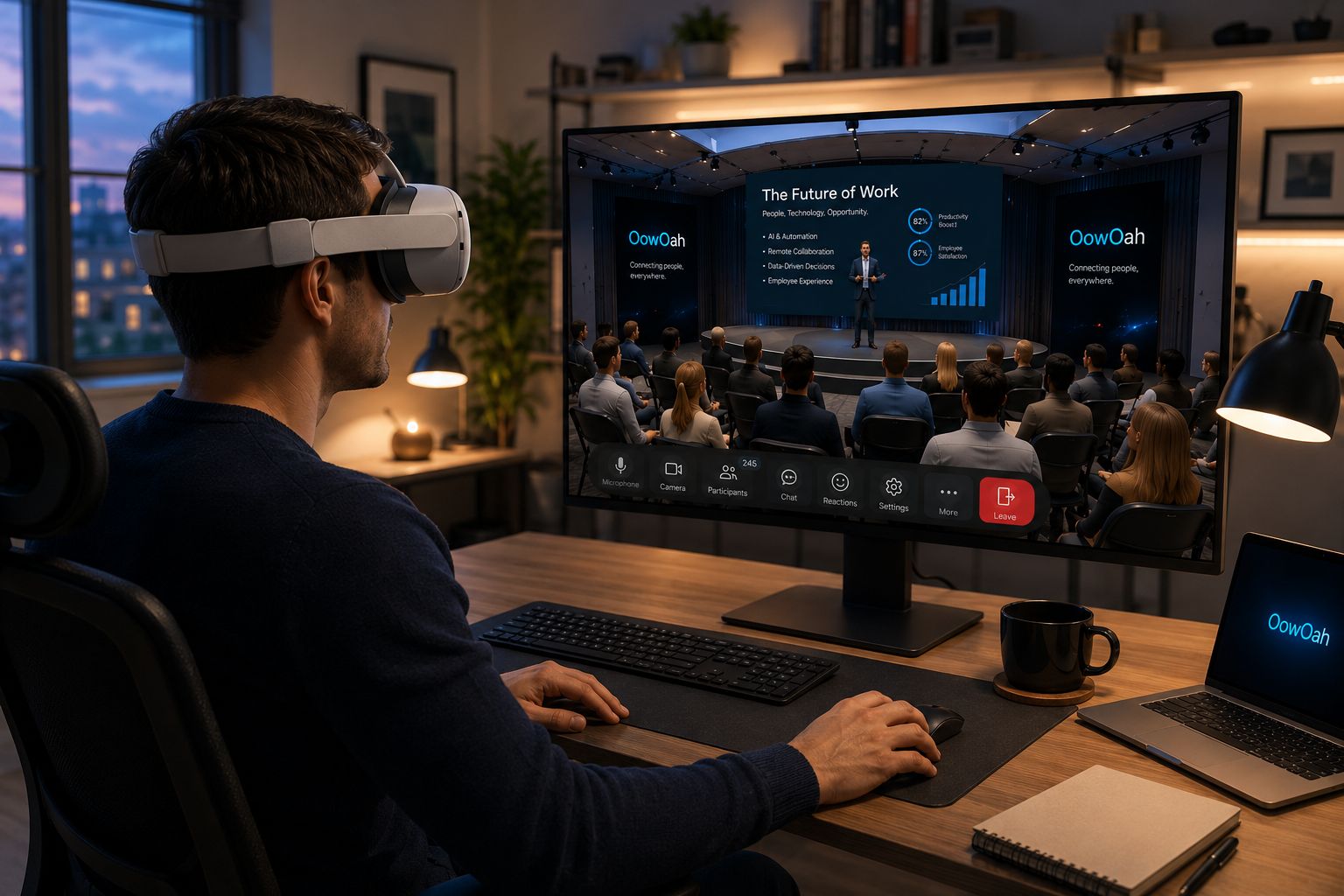
    A video call usually displays people and shared content on a phone or computer screen. An avatar-based VR meeting places headset users inside a virtual room. Participants look around that environment and communicate with other people represented there. Both formats can support discussion, but they create different experiences.

    Equipment and preparation

    Video calls are familiar to many teams and can often be joined using existing devices. A VR meeting requires compatible headsets, software access and an introduction to the controls. Build that preparation into the plan. Check comfort and provide another route for anyone who cannot use the headset experience.

    Choose around the work

    A short update may be easiest by video or even a written message. A planned workshop or presentation may be worth testing in a virtual room. In-person sessions remain useful for activities that require physical access. Consider the meeting’s purpose, the participants and the material rather than assuming one format is best for everything.

    Compare a real session

    Use the same type of agenda for a small trial and gather feedback afterwards. Could everyone hear, contribute and follow the presentation? Were decisions clear? Did the equipment create difficulties? OowOah VR Meeting Rooms offer a shared environment with presentation screens and meeting support features. Evaluate the practical experience with your team before expanding its use.

    Explore the next step

    If this is a challenge for your organisation, find out whether a different meeting or event format could help. Explore OowOah VR Meeting Rooms.
  • Is Virtual Reality Just for Gaming? Practical Uses for Business

    Is Virtual Reality Just for Gaming? Practical Uses for Business

    Start with the activity, rather than the headset

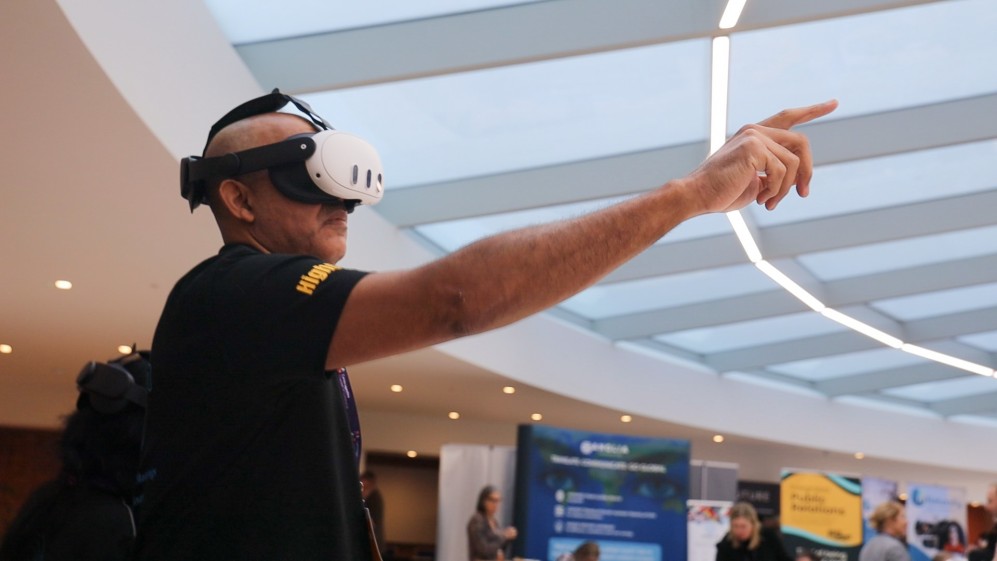
    Gaming is a familiar use of virtual reality, but a headset can also provide a shared meeting space, an immersive learning environment or a view of a real event. For a business, the useful starting point is a task that existing methods make difficult. A headset purchase should follow that decision.

    Meetings and shared discussion

    Avatar-based meeting rooms let participants join a virtual environment from different locations. They can discuss material displayed on virtual screens and communicate within that space. These sessions still require preparation, clear audio and an agenda. They suit a different task from an email update or a physical inspection.

    Live events and practical learning

    A live 360-degree broadcast gives a headset viewer a view around the camera’s position at a real venue. It is different from an animated virtual world. Training applications may instead use simulated scenarios designed for practice. Ask which type of experience a provider means before comparing products or discussing results.

    Try one practical use first

    Choose a small group, explain the equipment and allow time to get comfortable. Check whether the activity was useful, whether people could participate and whether another format is needed for some colleagues. OowOah brings meeting rooms, live VR events and remote perspective sharing into its platform. Each service should be considered against a clear business need.

    Explore the next step

    If this is a challenge for your organisation, find out whether a different meeting or event format could help. Explore OowOah VR Meeting Rooms.
  • Hybrid Meetings: How to Include People Joining Remotely

    Hybrid Meetings: How to Include People Joining Remotely

    Two locations can become two different experiences

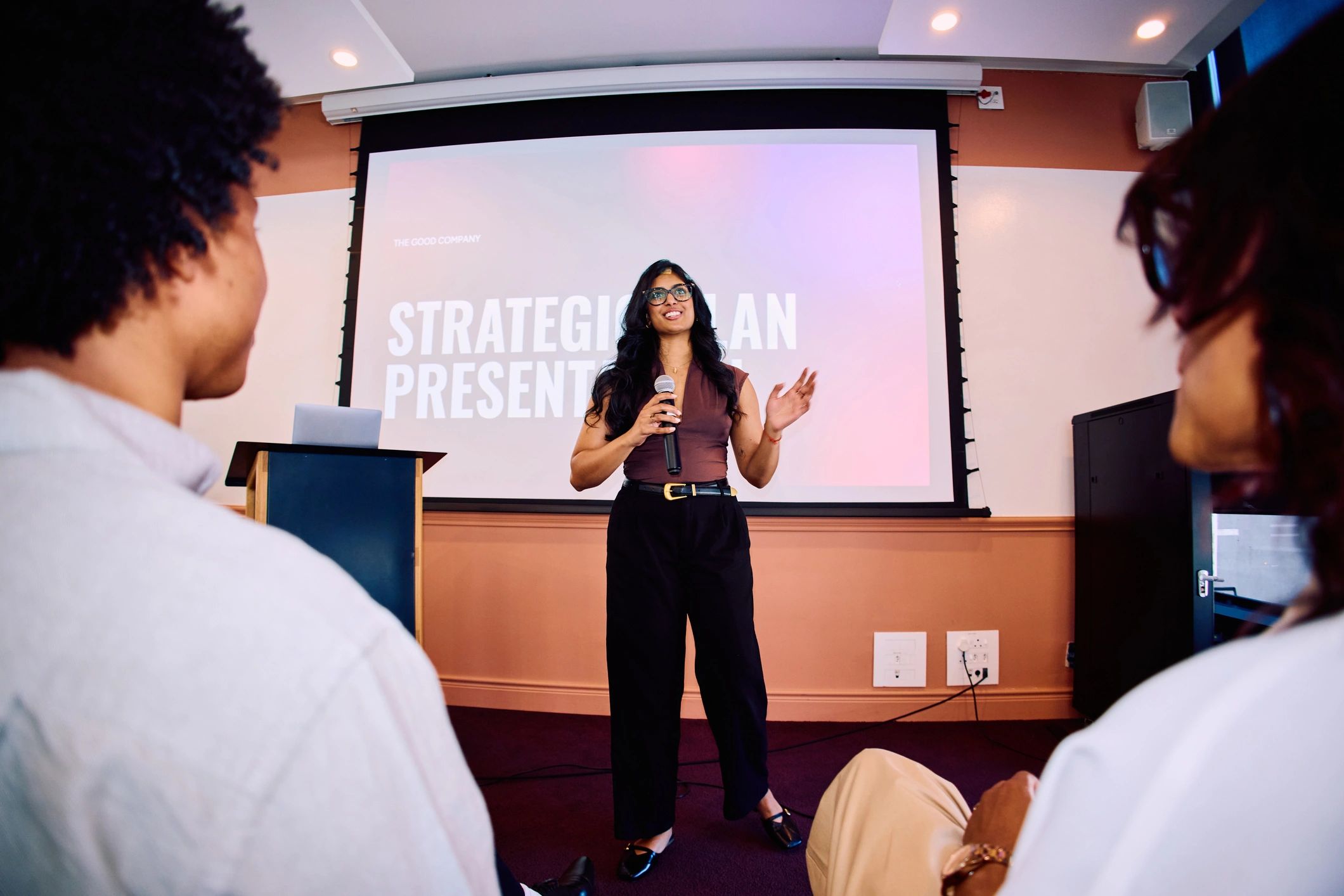
    People in the meeting room can hear side comments and notice when someone wants to speak. Remote participants may hear a distant microphone and see only the slides. The organiser needs to plan how the two groups will communicate, rather than simply adding a video link to an in-person invitation.

    Check sound before adding complexity

    Ask a remote colleague to test the room audio. Can they hear each speaker clearly? Can people in the room hear them without feedback? Use equipment suited to the room and avoid several nearby devices playing the same call audio. Share documents directly so remote participants are not dependent on a camera pointed at a screen.

    Make someone responsible for remote participation

    A facilitator should monitor questions and bring remote contributions into the discussion. Repeat local comments that were not audible. Avoid continuing important decisions in a room-only conversation after the call ends. Record the agreed outcome in one place that everyone can access.

    Consider a more consistent shared format

    For some discussions, having everyone join individually may produce a clearer experience. A VR meeting room is another possible shared format for participants with suitable headsets. It should be tested with the group and accompanied by an alternative where necessary. The goal is comparable access to information and discussion, not using more technology for its own sake.

    Explore the next step

    If this is a challenge for your organisation, find out whether a different meeting or event format could help. Explore OowOah VR Meeting Rooms.

  • Online Presentations: Why Screen Sharing Alone Is Not Enough

    Online Presentations: Why Screen Sharing Alone Is Not Enough

    A shared slide is only the starting point

    Screen sharing makes a presentation visible, but it does not tell you whether people can read it or follow the argument. Dense slides and long monologues can make discussion difficult. Plan around what the audience needs to understand and what they should be able to decide afterwards.

    Prepare for the screen people actually use

    Use clear headings, readable text and one main point per slide. Avoid displaying a full spreadsheet when only two figures matter. Describe the key point aloud and share the document separately when people need to examine details. Check the material on a smaller display before the session.

    Build discussion into the presentation

    Pause at meaningful points and ask a specific question. Explain how attendees can interrupt or request clarification. If you are presenting and managing questions alone, keep the format simple. For a larger session, a colleague can monitor questions while the speaker concentrates on the explanation.

    Match the presentation space to the task

    VR meeting rooms offer virtual presentation screens within a shared environment. This can provide another setting for discussing reports or proposals, but the content still needs to be readable and well organised. Test it in the actual headset experience before inviting clients. A successful presentation leaves people with a clear understanding and agreed next steps, whichever platform you use.

    Explore the next step

    If this is a challenge for your organisation, find out whether a different meeting or event format could help. Explore OowOah VR Meeting Rooms.
  • Travelling Two Hours for a One-Hour Meeting: Is There a Better Way?

    Travelling Two Hours for a One-Hour Meeting: Is There a Better Way?

    When the journey becomes the biggest part of the meeting

    A one-hour discussion can take most of a working day once you include getting to the station, waiting, travelling and finding the venue. The ticket price is only one part of the decision. Preparation time, missed work and the journey home also matter. Before booking, ask what the meeting needs to achieve and whether everyone needs to be physically present.

    Choose the format around the task

    An inspection, hands-on demonstration or sensitive conversation may justify meeting in person. A project update or discussion of documents may work remotely. Write down the expected result: an approved proposal, a decision or an agreed plan. This makes it easier to choose between an email, video call, shared virtual room or physical meeting.

    Keep the connection while reducing the journey

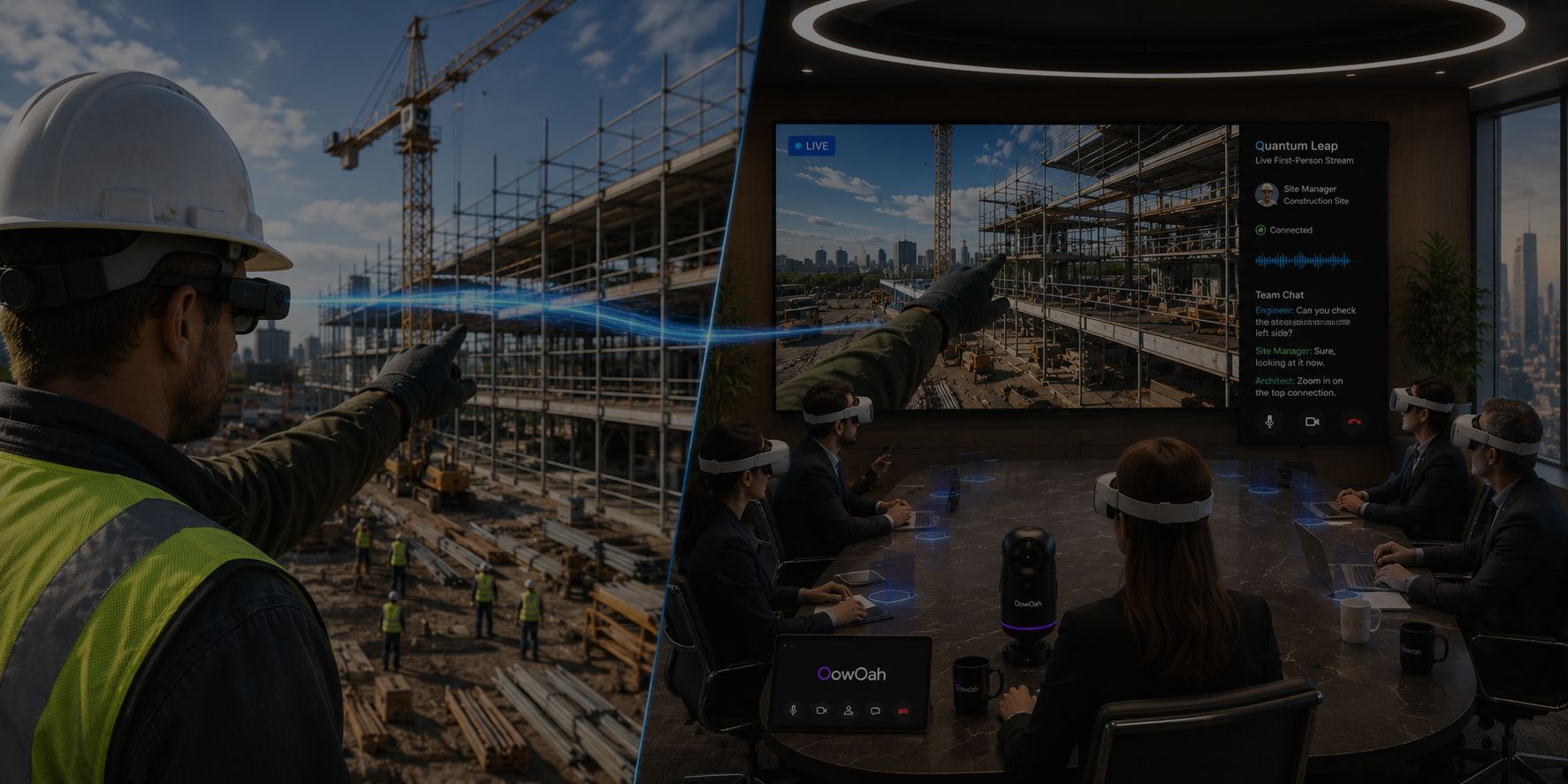
    Remote attendance still needs preparation. Share materials beforehand, allow time for questions and make sure everyone can contribute. VR meeting rooms offer another option: participants join a shared virtual space using headsets and can discuss content on virtual screens. Start with one suitable meeting and compare the experience with your usual approach.

    Try a simple travel test

    For your next meeting, add up the travel time for every attendee, identify the tasks that require being there and consider whether a shorter remote session would achieve the same decision. Keep in-person time for activities where it adds clear value.

    Explore the next step

    If this is a challenge for your organisation, find out whether a different meeting or event format could help. Explore OowOah VR Meeting Rooms.
  • Remote Site Visits: Do You Always Need to Travel to See the Problem?

    Remote Site Visits: Do You Always Need to Travel to See the Problem?

    Some questions need a view of the site

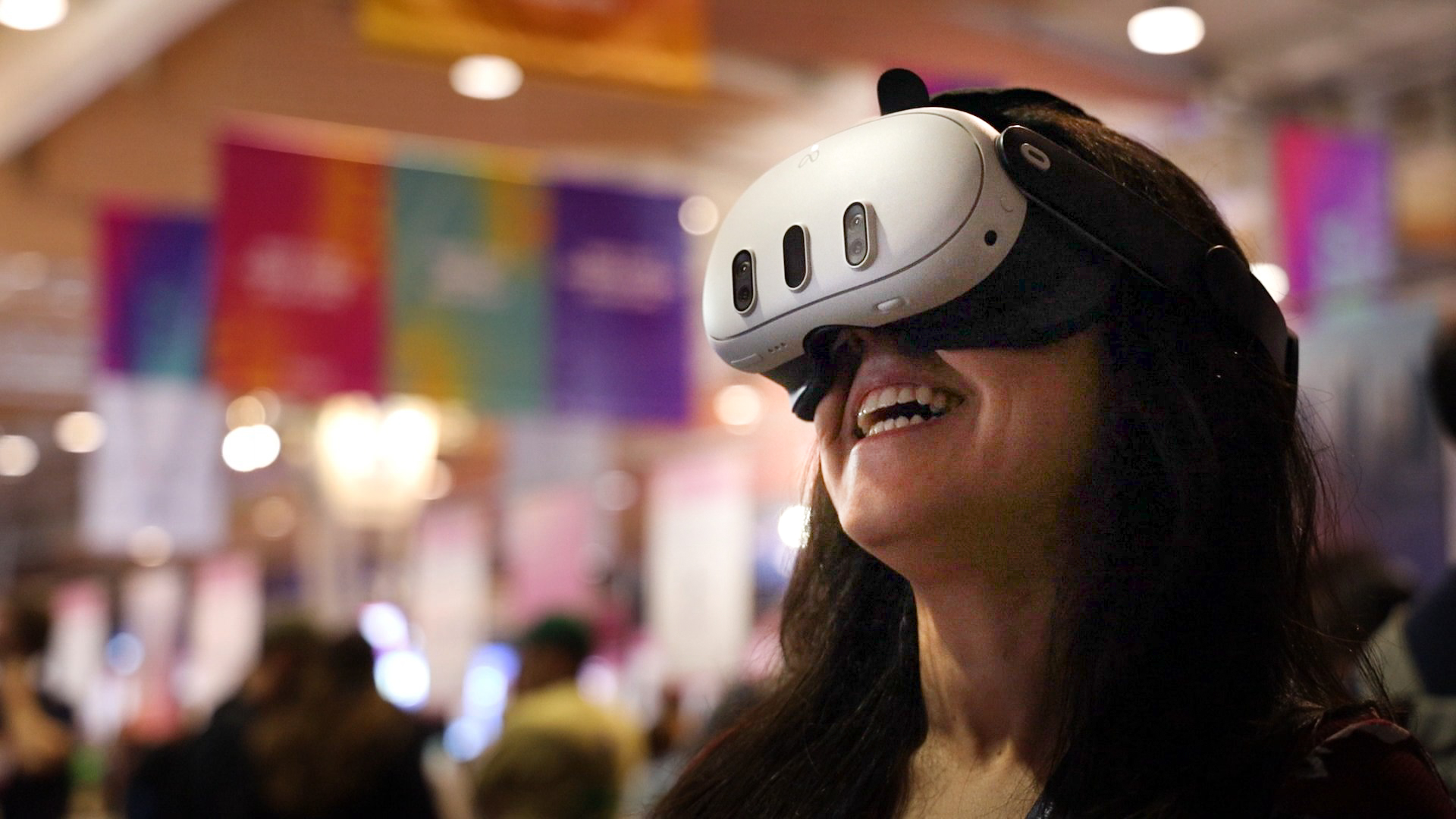
    A photograph can show a component but leave out its surroundings. A live conversation with someone on site can help a remote colleague ask for another angle or understand where the problem is located. Before arranging travel, consider whether that visual discussion could resolve the immediate question.

    Prepare the visit around a clear task

    Tell the person on site what needs to be shown and which documents will help the discussion. Check connectivity and arrange a time that suits the site activity. A remote viewer may need context, measurements or a close view, rather than a general tour. Keep the session focused on the issue being considered.

    Use remote viewing within its limits

    A live feed does not replace measurements, physical testing or qualified inspection where those are required. The person on site should follow local procedures and remain aware of the environment. If the view or information is insufficient, arrange the appropriate in-person work rather than drawing conclusions from an incomplete picture.

    Bring the field and office conversation together

    OowOah Quantum Leap is designed to share a live first-person perspective with colleagues in a VR meeting room. This can support discussion between people on site and those elsewhere. Assess it for a suitable use case, confirm equipment requirements and decide which tasks still need physical attendance. The value lies in seeing enough to make the next informed decision.

    Explore the next step

    If this is a challenge for your organisation, find out whether a different meeting or event format could help. Explore OowOah Quantum Leap.

  • How to Attend Events from Home Without Watching Another Flat Video

    How to Attend Events from Home Without Watching Another Flat Video

    Remote attendance can take different forms

    Watching an event at home often means looking at a stream on a laptop or television. Live 360-degree VR offers another viewing format. With a compatible headset, the viewer can look around the scene captured by a camera at the venue. It provides a different perspective on the real event.

    Understand what the camera position means

    A 360-degree view does not let you walk freely around the venue. Your perspective comes from the camera’s location. A well-positioned camera can offer a useful view of the speaker and room, while poor sound or an obstructed position can limit the experience. Check the event description for what will be shown.

    Prepare before the event starts

    Confirm the required headset, application and account. Book the correct event and check its time zone. Charge the device, test access and follow the manufacturer’s guidance for a suitable viewing environment. Allow time to get comfortable and take breaks when needed.

    Know what your ticket includes

    Check whether the session is live only, whether a replay will be available and whether questions are supported. OowOah Live VR is planned for Meta Quest 3 and 3S audiences, with speaker registration opening on 1 November 2026 and the first public event planned for 10 November 2026. Use the current event listing to confirm arrangements before booking.

    Explore the next step

    If this is a challenge for your organisation, find out whether a different meeting or event format could help. Explore OowOah Live VR events.

  • Live Streaming vs Recorded Events: Which Does Your Audience Need?

    Live Streaming vs Recorded Events: Which Does Your Audience Need?

    Live access and a replay serve different needs

    A live stream follows the event as it happens. A recording allows people to watch later. Some audiences value joining at the advertised time, while others need flexibility because of work or time zones. Choose around those needs rather than assuming one format suits everyone.

    Be precise about participation

    Live viewing does not necessarily include a way to ask questions. A replay may contain the questions asked at the original session, but it does not make the viewer part of that conversation. Explain these differences in the event description so customers understand what they will receive.

    Plan the recording before the event

    Confirm permissions, the intended use and how long access will last. Decide whether the replay needs editing and check that audio and presentation content will make sense afterwards. Tell attendees whether they may appear in recorded material. A usable live broadcast is not automatically a complete replay product.

    Consider live and recorded 360-degree viewing

    VR event services can provide an immersive view of a real venue through compatible headsets. Where replay access is enabled, viewers may revisit that experience later. Check the specific event’s availability and terms. Combining live access with a clearly described replay can offer flexibility, but production and permissions should be planned from the start.

    Explore the next step

    If this is a challenge for your organisation, find out whether a different meeting or event format could help. Explore OowOah Live VR events.

  • How to Run an Event for In-Person and Remote Audiences

    How to Run an Event for In-Person and Remote Audiences

    Plan two audience experiences together

    The venue audience can see the stage directly and speak with people around them. Remote attendees rely on the broadcast and whatever interaction the organiser provides. Define what each ticket includes before selling it. A clear description should explain access, timing and whether any recording will be available.

    Design the broadcast around the content

    Prioritise intelligible speech and a useful view of the speaker. If slides carry important information, check how remote attendees will read them. For 360-degree streaming, camera placement determines the viewer’s position in the venue. Keep that view clear and test the actual headset experience.

    Explain how questions will work

    A remote audience should know whether it can ask questions and how. Assign someone to manage the channel if one is offered. The presenter can acknowledge both audiences and repeat questions from the room. Do not promise interactive features unless the chosen event system supports them.

    Test the complete attendee journey

    Check discovery, booking, confirmation and entry as well as the camera feed. Have someone outside the venue test access. OowOah Live VR is intended to add a 360-degree headset audience to real events. Organisers still need suitable equipment, sound, connectivity and a clear event plan. Match the production to what attendees are paying to experience.

    Explore the next step

    If this is a challenge for your organisation, find out whether a different meeting or event format could help. Explore OowOah Live VR events.

  • Why People Book Events but Don’t Attend

    Why People Book Events but Don’t Attend

    A booking is a plan that can change

    Work commitments, illness, transport problems and family responsibilities can prevent someone from attending an event they intended to visit. Organisers should avoid assuming every absence means a lack of interest. Look at the pattern and ask for feedback before deciding how to respond.

    Remove avoidable uncertainty

    Send a concise reminder with the date, start time, venue address and joining instructions. Explain travel or arrival details where useful. Make it straightforward for someone to cancel or tell you they can no longer attend. Clear information helps people plan and gives organisers a more accurate picture.

    Offer alternatives where practical

    A remote ticket or replay may help someone who cannot reach the venue. Explain the difference from attending in person, including any networking or participation limits. If a ticket can be changed to another format, publish the terms clearly. Do not advertise a replay until you know it will be provided.

    Measure attendance by format

    Compare bookings and attendance for venue, remote and recorded access separately. Collect practical reasons for absence and use them to improve the next event. Live VR is one possible remote format when the equipment and production suit the session. It can create another attendance option, but it does not guarantee that everyone who books will join.

    Explore the next step

    If this is a challenge for your organisation, find out whether a different meeting or event format could help. Explore OowOah Live VR events.

  • Does VR Training Work? What the PwC Study Found

    Does VR Training Work? What the PwC Study Found

    What PwC studied

    PwC’s 2020 research compared classroom learning, e-learning and VR for a particular soft-skills course involving new managers. The training addressed inclusive leadership and unconscious bias. Understanding that context matters: the results concern a designed learning programme, not a general test of every headset application.

    The findings in context

    PwC reported faster course completion and stronger focus for VR learners in that study. Its UK summary states that VR participants completed the course four times faster than classroom learners and were four times more focused than e-learning participants. These comparisons describe the studied course. They are not promised results for every organisation.

    What a business can take from it

    The research gives businesses a reason to consider immersive learning where practice, attention and realistic scenarios are important. A sensible pilot starts with a defined skill and a way to assess it. Compare understanding, application, learner comfort and the full cost of delivery. Headsets, preparation and content development all belong in that assessment.

    Training, meetings and live events are different uses

    A scenario-based VR course is different from a meeting in a virtual room or a live seminar filmed with a 360-degree camera. The study does not establish the effectiveness of OowOah or prove that VR meetings outperform video calls. It supports informed investigation of a specific training approach. Choose the experience around the actual learning or collaboration task.

    Read the original source

    Read PwC’s summary of its VR soft-skills training study.

    Explore the next step

    If this is a challenge for your organisation, find out whether a different meeting or event format could help. Explore OowOah VR Meeting Rooms.