Author: oowoah

  • Can AI Meeting Notes Capture Everything That Matters?

    Can AI Meeting Notes Capture Everything That Matters?

    AI meeting notes can give people a useful starting point after a discussion. They are not a guarantee that every decision, qualification or responsibility has been captured correctly. The important step is reviewing the record before anyone acts on it.

    What can a summary help with?

    A concise record can help colleagues revisit key subjects without replaying the entire meeting. Teams and Zoom offer recap or summary tools, with availability depending on the product, licence and settings. OowOah also lists AI meeting notes among its meeting room features.

    What needs a human check?

    A suggestion may be mistaken for an agreement, a conditional date may become a firm deadline, or the wrong person may be assigned an action. Check names, numbers, decisions and responsibilities against what participants actually agreed.

    Make the discussion easier to record

    At the end of each item, state the decision clearly. Ask the action owner to confirm the task and date. If the group has not reached agreement, say so explicitly rather than allowing a tidy summary to hide the uncertainty.

    Share an approved version

    Agree who reviews the notes and how corrections are made. Explain the recording or transcription arrangements before the meeting and follow your organisation’s policies. A useful record supports the team; it does not replace someone taking responsibility for accuracy.

    Read more about OowOah VR Meeting Rooms.

    Further reading: Microsoft Teams recap, Zoom AI Companion.

  • Do You Need to Replace Teams or Zoom to Start Using VR Meetings?

    Do You Need to Replace Teams or Zoom to Start Using VR Meetings?

    No. Trying VR meetings does not mean abandoning the tools your team already uses. A business can keep video calls for everyday contact and use a virtual room for selected discussions. The practical question is which format helps people complete a particular task.

    Keep the useful routines

    A short update, a supplier call or a conversation with someone using a phone may be easiest on Teams or Zoom. Familiar access matters, especially when guests need to join quickly. There is little value in adding headset setup to an appointment that already works well.

    Choose a specific reason to try VR

    A project review or a discussion around shared presentation material may be worth testing in a virtual room. Agree what improvement you are looking for: clearer understanding, useful contributions or a more comfortable conversation. Avoid treating novelty as evidence of better collaboration.

    Compare the whole experience

    VR requires suitable equipment and preparation. Video calls have their own limitations, including a restricted view of other people and distractions on the screen. Ask participants about both the task and the effort required to join.

    Keep the choices separate

    OowOah VR Meeting Rooms provide another meeting option. Do not assume that keeping Teams or Zoom means the services connect directly: any integration must be checked separately. You can choose a different tool for a different appointment without replacing your entire workflow.

    Read more about OowOah VR Meeting Rooms.

  • What Does a Virtual Audience Experience at a Physical Event?

    What Does a Virtual Audience Experience at a Physical Event?

    A virtual audience is a group attending remotely while an event takes place in a venue. Their experience depends on how the event is captured and delivered. With live 360° viewing, the camera’s position becomes the remote attendee’s point of view.

    The camera becomes a seat

    Viewers can look around the captured scene through a compatible headset. They cannot automatically move freely around the building or see behind closed doors. Explain the viewing position so expectations match the ticket.

    Sound makes the event understandable

    A beautiful room is not enough if speech is difficult to hear. Check the presenter’s microphone and how audience questions reach the broadcast. Introduce speakers and explain activity happening outside the camera’s view.

    Participation needs an explicit plan

    Watching in VR is different from joining an avatar meeting. Do not promise two-way conversations, networking or audience interaction unless those arrangements have been confirmed for your event.

    Welcome both audiences

    Give remote attendees clear access instructions and a contact for problems. OowOah Live VR adds headset viewers to an existing physical event. Think of that audience when planning the view, programme and welcome.

    Find out more about OowOah Live VR Events.

  • A Night at the Museum After Everyone Has Gone Home

    A Night at the Museum After Everyone Has Gone Home

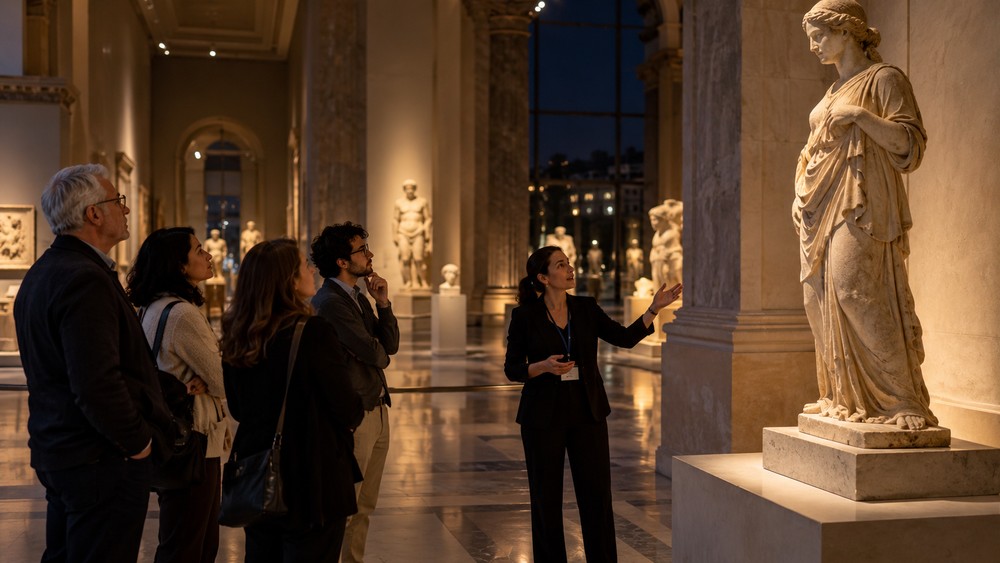
    Imagine a quiet gallery after closing time. The usual crowd has gone, and a guide stops beside one object with a story you have never heard. An after-hours museum event can invite people to look slowly rather than rush towards the next room.

    Choose a story instead of a catalogue

    Trying to cover every exhibit can turn an evening into a list. Choose a theme: one inventor, a surprising local connection or the journey of a particular object. Give the audience enough time to notice what makes each stop interesting.

    The guide makes the difference

    A knowledgeable host can explain why something matters without assuming everyone has studied the subject. Questions from viewers may reveal details the planned talk would otherwise miss. Build in time for curiosity rather than saving all interaction for the last minute.

    Remote access needs more than a wide shot

    A 360-degree view can show the gallery setting, but tiny labels and delicate objects may need additional close-ups or supporting images. Plan those details with the museum. Check lighting, filming permissions and any restrictions on particular exhibits.

    Make the visit welcoming

    Describe the duration, format and level of knowledge expected. Provide captions or other suitable access options where possible. An evening like this should give people a route into the subject, whether they are lifelong enthusiasts or simply curious about what happens behind the museum doors.

    Curious about bringing people together remotely? Explore Live VR Events with OowOah.

  • What Is the Difference Between an AR Meeting and a VR Meeting?

    What Is the Difference Between an AR Meeting and a VR Meeting?

    AR and VR are often mentioned together, but they describe different experiences. Augmented reality adds digital material to a view of your surroundings. Virtual reality places you inside a digital environment. That distinction helps explain what someone might mean by an immersive meeting.

    AR keeps the physical world visible

    An AR experience might show information over a view of a real object or workspace. Exactly how people collaborate depends on the hardware and software. The term alone does not tell you which tools, shared views or remote access are available.

    VR provides a shared digital setting

    In a VR meeting, participants can enter a virtual room and appear as avatars. They remain in separate physical locations while using the app’s meeting features. OowOah VR Meeting Rooms belong to this category.

    Headsets can support different modes

    Some devices combine immersive VR with views of the physical environment. Owning such a device does not mean every app supports both AR and VR meetings. Check the particular app’s requirements and features.

    Choose around a task

    Do you need to inspect a physical object, discuss a presentation or bring remote colleagues together? Start with that question. Ask for a demonstration of your actual task rather than choosing a product because its description includes AR or VR.

    Find out more about OowOah VR Meeting Rooms.

  • Would You Watch a Live Ghost Hunt From Your Sofa?

    Would You Watch a Live Ghost Hunt From Your Sofa?

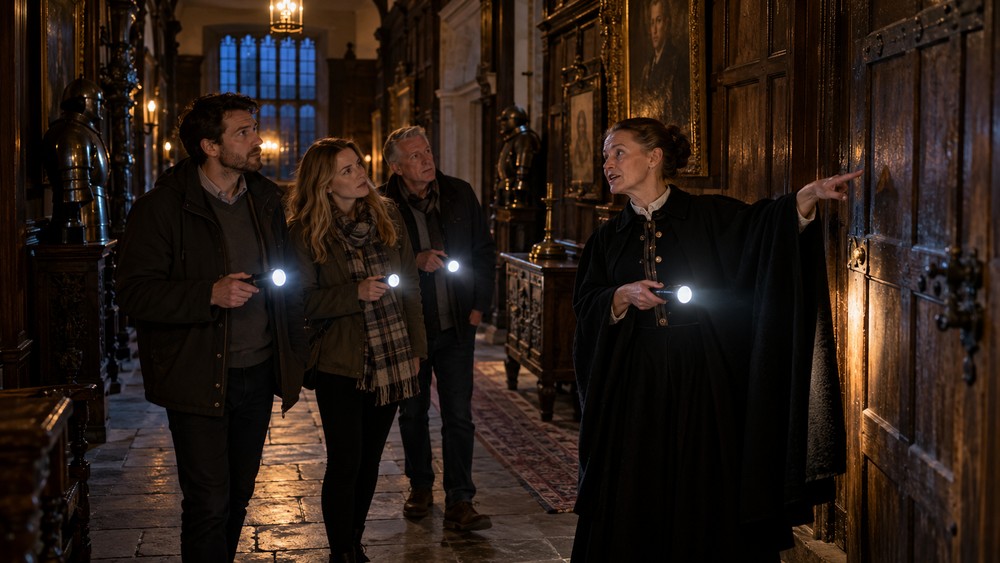
    An old corridor. A torch beam. Somebody whispers, “Did you hear that?” Meanwhile, you are at home with a cup of tea, deciding whether the noise was a mysterious visitor or a badly behaved floorboard. A ghost-themed evening has obvious potential for atmosphere.

    Tell a good story about the place

    The strongest starting point is the setting: its history, layout and local stories. Separate documented facts from folklore and entertainment. A host can make a building interesting without presenting an unexplained sound as proof of anything supernatural.

    Let the audience explore the scene

    A suitable 360-degree view could let remote viewers inspect the surroundings from the camera’s position. Darkness still creates production challenges. Test the equipment in the actual lighting conditions rather than assuming a dramatic location will produce a watchable picture.

    Suspense needs a sensible pace

    Give the evening a beginning, a route and a clear finish. Long silences may feel atmospheric in person but confusing to a remote viewer who thinks the connection has failed. A host can explain what is happening without narrating every footstep.

    Keep the scares within the agreement

    Get permission to use the location, explain the tone and provide clear audience guidance. Do not encourage trespassing or risky exploration. A ghost hunt can be a playful storytelling event: the audience can enjoy the mystery while remaining free to be thoroughly sceptical.

    Curious about bringing people together remotely? Explore Live VR Events with OowOah.

  • Could Your Local Christmas Concert Welcome an Audience Around the World?

    Could Your Local Christmas Concert Welcome an Audience Around the World?

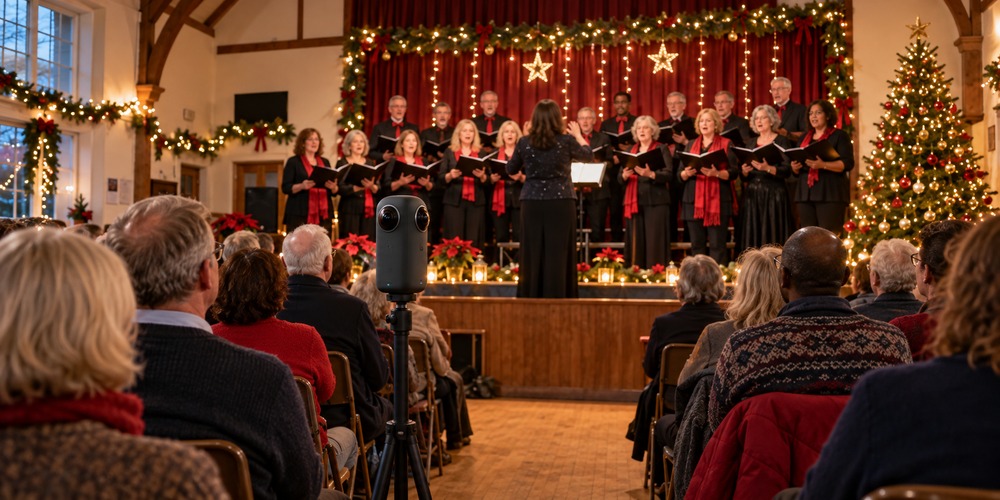
    The village hall is decorated, the choir is ready and someone has brought enough mince pies for a small army. Your Christmas concert may be local, but some of the people who would love to attend live far away. Could an additional Live VR audience help them join the occasion?

    Keep the concert in the hall

    The performers and physical audience remain at the heart of the event. A compatible 360° camera can capture a viewpoint for remote headset viewers alongside the venue performance. Choose a position that shows the stage without obstructing anyone.

    Let the music be heard

    Test the broadcast sound during rehearsal. The audience needs to hear voices and instruments clearly, not only the people talking beside the camera. Agree permission for the music, performers and any recording before offering access.

    Invite people who miss the journey

    Think of former residents, relatives abroad and supporters unable to travel. Make the invitation specific: explain the programme, viewing format, headset requirement and start time.

    Give the remote audience a welcome

    Mention them at the beginning and explain any interval. OowOah Live VR can extend a physical event; it is not a promise that every local concert is already available to watch.

    Find out more about OowOah Live VR Events.

  • Can You Use a Meta Quest as a Business Meeting Room?

    Can You Use a Meta Quest as a Business Meeting Room?

    A Meta Quest can provide access to a business meeting room through a suitable VR app. It does not turn your physical room into an office or make every task suitable for VR. Its value depends on the discussion, the people attending and how comfortably they can participate.

    Think about the meeting itself

    A design discussion or presentation may benefit from a shared virtual setting. Plan what colleagues will look at and what decision they need to make. Avoid putting people in headsets simply to read a long email aloud.

    Give everyone a proper introduction

    Show participants how to join, use audio and view the shared material. Keep the first session short. Ask people to choose a clear, suitable physical space and follow the headset’s safety guidance.

    Separate accounts from equipment

    OowOah VR Meeting Rooms support Meta Quest 3 and Quest 3S. Headsets are purchased separately from the meeting room subscription. Check how many people must attend simultaneously before deciding how many headset spaces you need.

    Judge the result

    Ask whether people could follow the presentation, contribute and leave with clear actions. A useful business meeting is measured by what it achieves. Keep another way to participate available when VR is unsuitable.

    Find out more about OowOah VR Meeting Rooms.

  • Behind the Curtain: What Happens Before an Event Opens?

    Behind the Curtain: What Happens Before an Event Opens?

    The audience sees the doors open, the lights change and the host appear. It can look effortless. Before that moment, somebody has checked a cable, moved a chair, found a missing microphone and asked where the speaker has gone.

    Rehearsal is more than practising a speech

    A useful run-through checks who introduces whom, where people stand and what happens between sections. Small transitions can create big pauses when nobody owns them. A simple running order gives the team a shared plan without trying to script every breath.

    Test what the audience will experience

    Check the sound from where guests sit, not just beside the control desk. For a stream, check the feed on the viewing device as well. An image that looks fine on a monitor may feel different in a headset. Test speech, lighting and camera position together.

    Give problems somewhere to go

    Decide who handles late arrivals, technical faults and performer questions. Keep essential contact details available to the team. A spare microphone or a clear holding message may save more stress than another decorative feature.

    Let preparation support the personality

    A well-prepared event can still feel relaxed and spontaneous. The planning gives hosts room to respond to the audience because the basics have been handled. If you add remote access, include that audience in the rehearsal rather than discovering its needs after the doors open.

    Curious about bringing people together remotely? Explore Live VR Events with OowOah.

  • What Is a VR Meeting App, and How Does It Work?

    What Is a VR Meeting App, and How Does It Work?

    A VR meeting app lets people join a shared digital room through a headset. Instead of seeing only a grid of faces, participants appear as avatars and can discuss material within the same virtual space. The useful question is what your team wants to accomplish there.

    What happens when you join?

    Participants sign in, enter a meeting and speak with colleagues through the headset’s audio. The room can contain shared presentation screens and places to review information. Each person remains physically in their own location.

    What do you need?

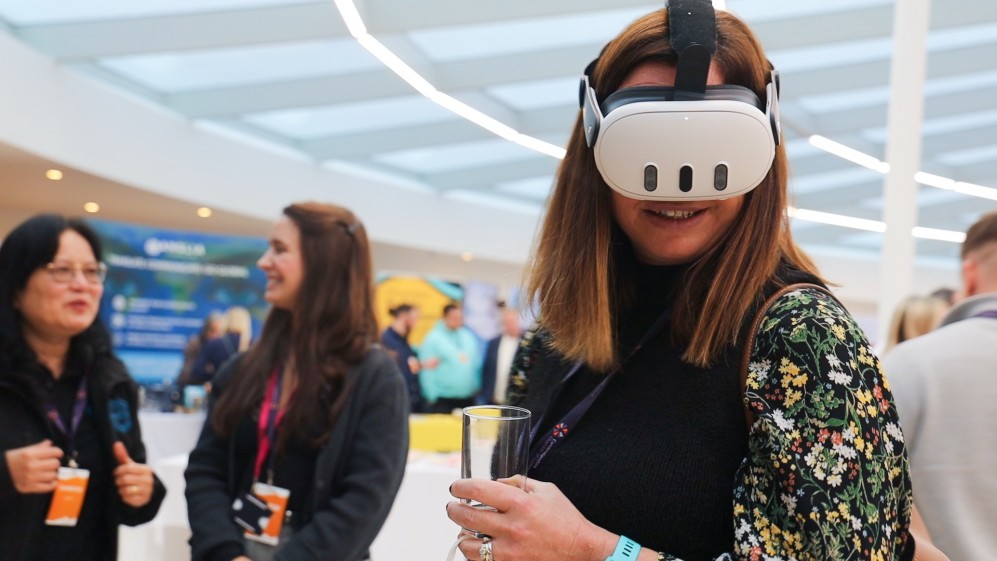
    For OowOah VR Meeting Rooms, each participant needs a Meta Quest 3 or Quest 3S. Allow time to set up access, charge the headset and practise joining before an important appointment.

    What could you use it for?

    Consider a project discussion, client presentation or small workshop. Give the meeting a clear agenda and use readable material. A routine update may still be easier by phone or video call.

    Try a small meeting first

    Invite a few colleagues, agree a short task and check whether the format helps. Headset comfort and a practical alternative for anyone unable to join matter as much as the appearance of the room.

    Find out more about OowOah VR Meeting Rooms.

  • Why Do Strangers Sing Together at Concerts?

    Why Do Strangers Sing Together at Concerts?

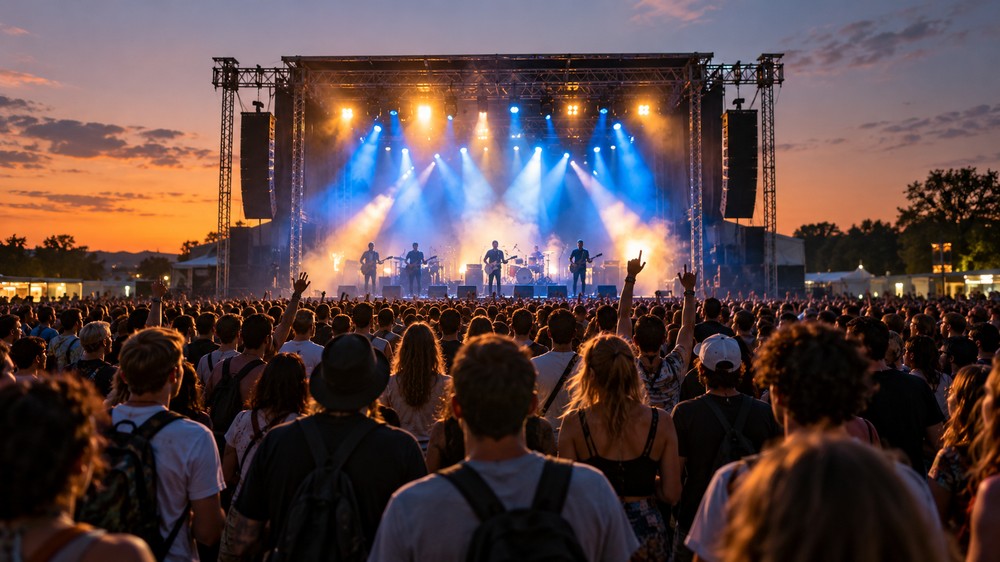
    You do not know the person beside you. You may never see them again. Yet for three minutes, you both know every word and behave as though you have rehearsed together for years. A familiar chorus can turn a crowd into part of the show.

    A song gives everyone a shared script

    You do not need an introduction to join a line you recognise. The performer starts it, the crowd takes over and the moment belongs to everyone who chooses to sing. Even a person who stays quiet can enjoy watching that exchange.

    The audience becomes something worth watching

    Concert memories are not always about the stage. They may include a friend’s reaction or the sound of a whole room joining in. For a broadcast, a carefully chosen view of the crowd can convey something that a sequence of performer close-ups misses.

    Leave space for different kinds of fans

    Some people sing loudly; others listen. Some love standing in the middle of the crowd; others need a quieter place. A good event lets people enjoy the music without treating one style of participation as the only correct way.

    Keep the atmosphere in the production

    Remote viewers need intelligible music and a sense of the room. Test how audience sound sits alongside the performance rather than relying on a single microphone. When planning a live experience, remember that the audience is part of the scene, even when it is not the headline act.

    Curious about bringing people together remotely? Explore Live VR Events with OowOah.

  • How Can You Add a Live VR Experience to a Fan Event?

    How Can You Add a Live VR Experience to a Fan Event?

    A fan event is about sharing a moment with people who care about the same thing. A venue audience brings energy, but travel and capacity can keep other fans away. Adding Live VR gives those people another way to experience the event.

    Choose a moment worth sharing

    An interview, live demonstration or performance can give remote viewers a reason to book. Explain exactly what their ticket includes. Watching an event in 360° does not automatically include a personal conversation, backstage access or a meet-and-greet.

    Keep the venue experience

    Run the physical event as planned and position a compatible 360° camera where it gives a useful view without blocking guests. Test speech, music and lighting from the remote viewer’s position before doors open.

    Make the invitation clear

    Tell fans which headset they need, when the session starts and how to access it. Confirm permission to stream performances and show participants. A clear programme helps people decide whether the experience suits them.

    Start with one session

    Try a focused part of the programme first. Ask remote attendees about sound, view and enjoyment afterwards. OowOah Live VR is an add-on to physical events; equipment and production still need planning.

    Find out more about OowOah Live VR Events.

  • The Best Seat in the House: What Makes a Great View?

    The Best Seat in the House: What Makes a Great View?

    Front row sounds like an obvious winner. Until you find yourself looking up at a stage, beside a speaker or behind somebody much taller. The best seat depends on what you want from the evening.

    Close enough to see the details

    A nearby position can reveal expressions, small gestures and the work behind a performance. That can be wonderful at a talk or an acoustic show. It may be less useful if the spectacle spreads across a wide stage and you need to keep turning to follow it.

    Far enough back to see the whole picture

    A wider view can show lighting, movement and the crowd together. Some people enjoy seeing a performance unfold as a complete scene. Others would rather sacrifice that overview to feel close to a favourite performer. Neither preference is wrong.

    The camera gets a seat too

    For remote audiences, camera placement helps define the experience. A 360-degree view lets viewers look around the camera position; it does not automatically let them move anywhere in the venue. Test the viewpoint at the intended height and check for obstructions.

    Describe the experience honestly

    Organisers should show or explain the view before people buy access. Make restricted sightlines clear and avoid promising a front-row experience when the camera is at the back. A well-chosen position, clear sound and accurate expectations can make a modest production feel thoughtfully planned.

    Curious about bringing people together remotely? Explore Live VR Events with OowOah.

  • Could You Attend a Wedding From the Other Side of the World?

    Could You Attend a Wedding From the Other Side of the World?

    The invitation arrives, and you would love to be there. But the flight, the cost or a caring responsibility makes the journey impossible. A remote invitation cannot deliver a hug, but it could let someone share an important part of the day.

    Choose the moments that matter

    A ceremony, a speech or a short greeting may be more meaningful than hours of continuous footage. Ask the couple what they want to share and ask remote guests what they would value. A small plan is easier to manage than trying to broadcast every moment.

    Sound deserves special attention

    A distant camera may capture the room while missing the vows. Test microphones, the connection and the actual viewing setup before the wedding. Give one trusted person responsibility for helping remote guests, so the couple do not become technical support on their own day.

    Keep the invitation personal

    Tell guests when to join, which time zone applies and whether they can speak or send a message. A quick hello before the ceremony can make them feel expected. If the experience requires a headset, provide a suitable alternative for guests who cannot use one.

    Share with care

    Agree filming with the venue and people involved, and keep access private where appropriate. Explain whether footage will be recorded and who can watch it later. The aim is to include loved ones in a moment that matters, while respecting the wishes of the people celebrating.

    Curious about bringing people together remotely? Explore Live VR Events with OowOah.

  • Why Are Listening Parties Becoming Events of Their Own?

    Why Are Listening Parties Becoming Events of Their Own?

    An album can be background noise while you answer emails. Or it can be the centre of an evening: phones down, speakers up and a room full of people hearing the same track together. A listening party gives music a little space to breathe.

    Make room for the first reaction

    There is something enjoyable about hearing a song before you have read everybody else’s opinion. A shared first listen lets people notice different things: a lyric, a bass line or an unexpected change in mood. The conversation afterwards can become part of the experience.

    The artist can add a story

    An introduction, a short interview or an explanation between tracks can offer context without talking over the music. Keep the structure clear. If the audience came to listen to an album, they should get time to hear it properly rather than sit through a long promotional presentation.

    It does not need a huge venue

    A record shop, studio or community space can create an intimate evening. Remote guests could join a suitably produced event too, provided the audio is good and the necessary music permissions are in place. Clear start times help everyone share the same moment.

    Give the evening a purpose

    Decide whether the event is a first listen, an artist conversation or a fan discussion. Tell people what they are buying and whether a recording will be available. The strongest idea is simple: make the music the main attraction, then give people a reason to enjoy it together.

    Curious about bringing people together remotely? Explore Live VR Events with OowOah.