Category: Events

  • Could Your Local Venue Welcome a Worldwide Audience?

    Could Your Local Venue Welcome a Worldwide Audience?

    Your venue might seat eighty people. That does not mean only eighty people would enjoy what happens there. Former locals, specialist fans and people in other countries may all have a reason to join an event, even when travelling to your town is unrealistic.

    Start with the people who already care

    A remote audience does not appear just because a camera switches on. Begin with a recognisable reason to attend: a popular speaker, a distinctive music night or a community event people miss after moving away. Ask existing followers whether they would watch remotely and what would make the experience worthwhile.

    Protect the experience in the room

    Equipment should not block sightlines, interrupt the performance or create hazards. Agree the camera position with the host and venue team, test sound and check the connection under realistic conditions. The people who bought seats should still get the evening they expected.

    Sort out rights before selling access

    A venue booking does not automatically settle streaming permission. Agree recording and transmission arrangements with performers and check the relevant rights for music and other material. Explain filming to attendees and plan for people who do not want to appear. Resolve these details before promoting remote tickets.

    Make the offer easy to understand

    Publish the time zone, equipment requirements, language and what the viewer receives. Be clear about live access, any replay and the help available if something fails. Work through platform charges, production costs and support before setting a price. Extra ticket income is useful only when the economics make sense.

    Think pilot, then repeat

    Choose one suitable event, set a manageable audience target and collect feedback from both remote and in-person attendees. Measure ticket income, costs and what people actually enjoyed. Live VR Events could help a local venue explore a wider audience while keeping the character that makes its room special.

    Explore Live VR Events with OowOah.

  • From Comedy to Coaching: What Could You Watch in VR?

    From Comedy to Coaching: What Could You Watch in VR?

    Ask someone about virtual reality and they may picture a game. Ask about live entertainment and they may picture a stadium. There is a lot of interesting space between the two: a brilliant comedian in a tiny room, a cooking demonstration or a coach explaining a difficult technique.

    A comedy club with room for more people

    Small comedy venues have atmosphere, character and a physical limit on seats. Remote viewing could welcome people who live too far away to visit. The production needs clear speech, good timing and enough audience reaction to convey the room. Performers should know about the capture and agree how their work will be used.

    A demonstration you want to inspect

    A chef, craftsperson or instructor might have something useful to show. A 360-degree view can provide context, but small details may still need a close-up camera or supporting material. Plan around what the audience needs to see, rather than choosing a format simply because it is new.

    A talk with an atmosphere

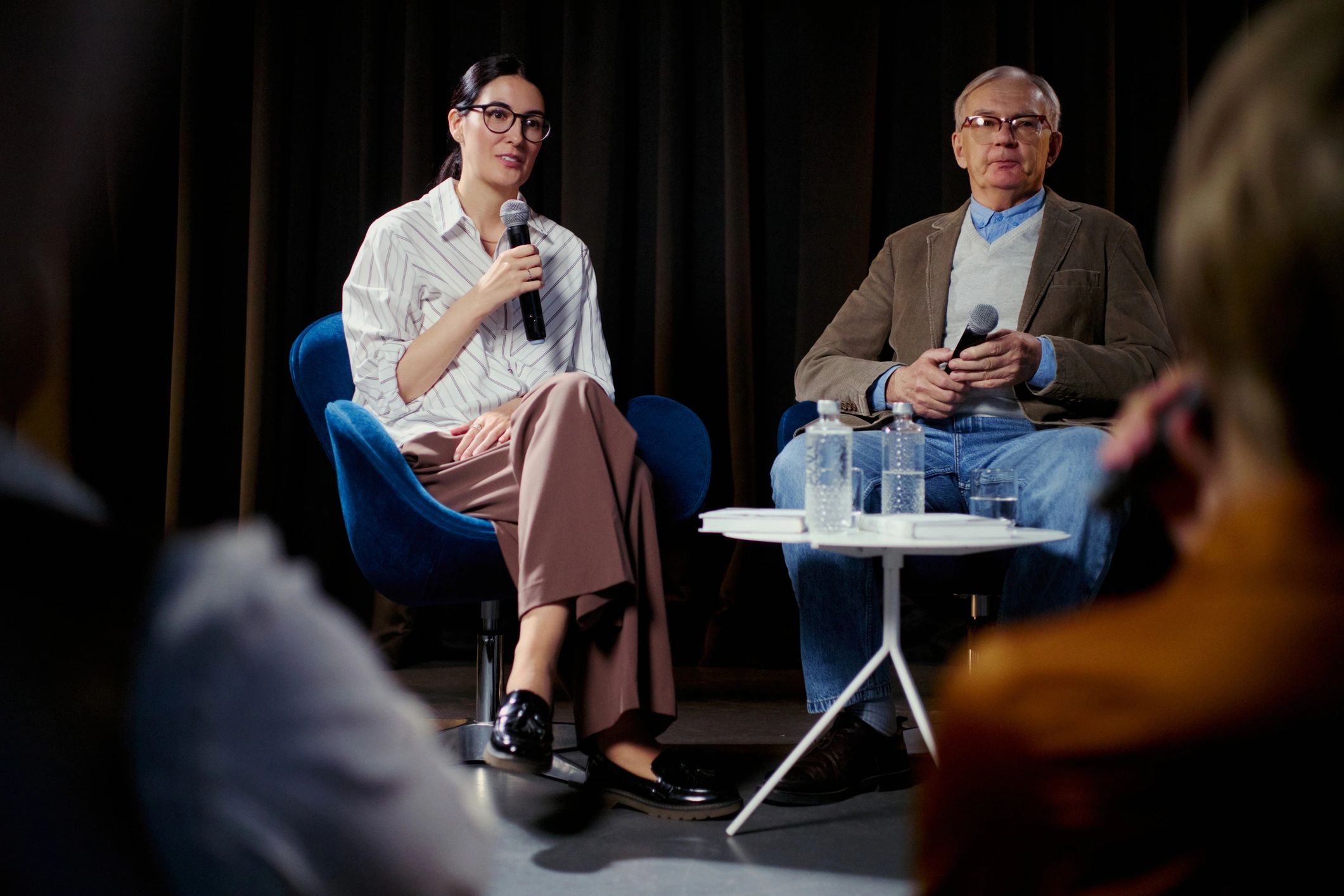
    Book launches, interviews and panel discussions can have a strong sense of place. A remote viewer might enjoy seeing the room as well as the speaker. If questions are part of the event, explain how remote attendees can submit them and who will bring them into the discussion.

    Coaching needs a clear promise

    Watching a technique is different from receiving individual feedback. A broadcast should not imply that an instructor can see or assess every viewer. Explain whether the session is observation, a guided activity or genuinely interactive coaching. Make the space and equipment requirements clear for any activity.

    Try one evening with a clear purpose

    Start with a format your audience already enjoys, then work out how remote participation could add value. OowOah’s Live VR Events is a place to explore these possibilities. A memorable pilot needs a good host, useful content and a reliable experience more than an enormous stage.

    Explore Live VR Events with OowOah.

  • What Happens Behind You at a Live Event?

    What Happens Behind You at a Live Event?

    On a conventional livestream, somebody else decides where you look. The singer gets a close-up, the audience disappears and an interesting moment at the edge of the stage may never reach your screen. What if you could turn your head and choose your own view?

    The room is part of the performance

    At a comedy night, the audience reaction helps tell the story. During a talk, the room’s response can reveal which point landed. At a concert, the crowd singing together is part of the memory. A camera pointed only at the performer can leave some of that atmosphere outside the frame.

    A viewpoint you can explore

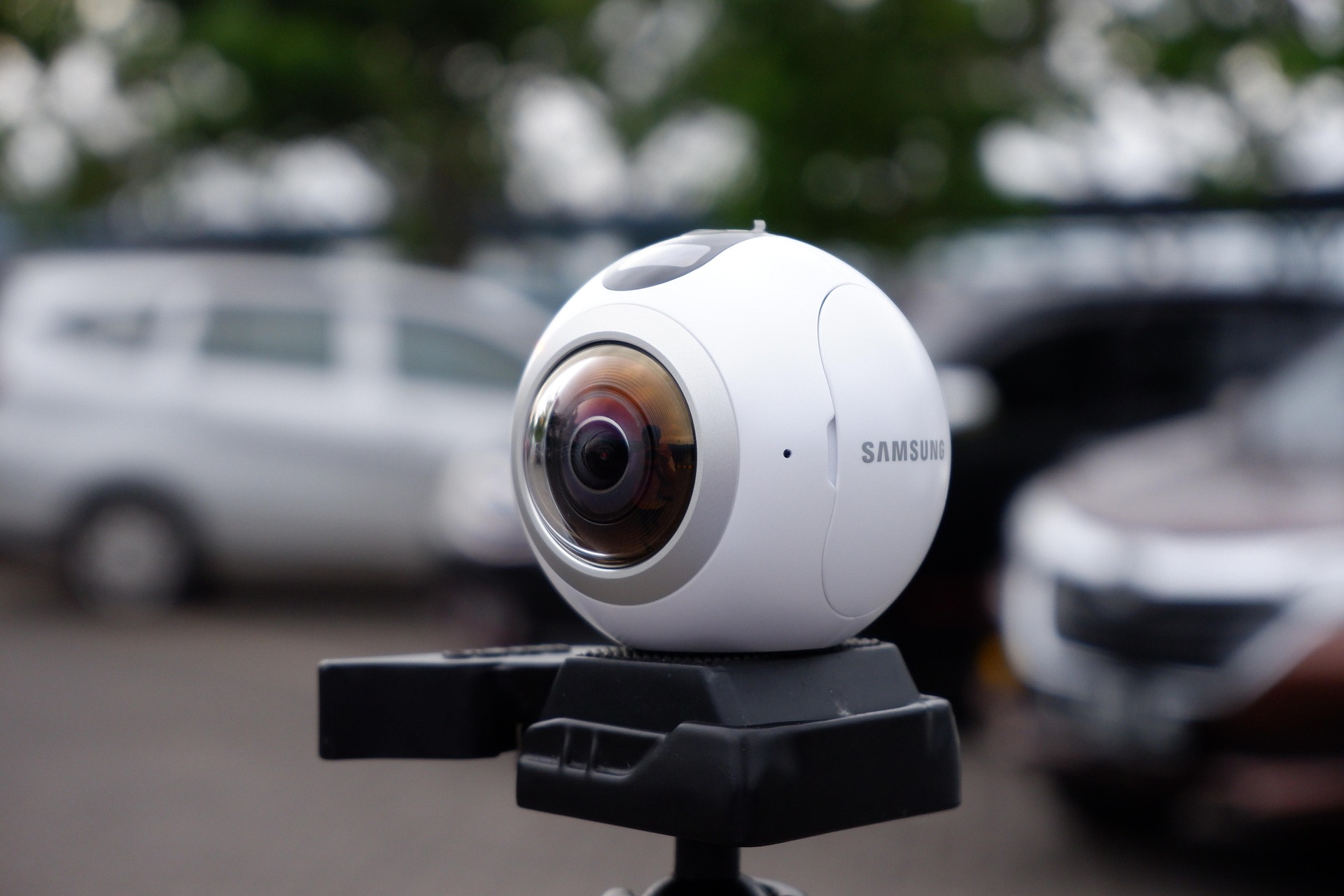
    A 360-degree camera captures the scene around its position. In a suitable headset experience, viewers can turn to explore that captured view. They cannot automatically walk to a different seat or see through somebody standing in front of the lens. Camera placement remains a creative decision.

    Put the camera where people want to be

    A position near the front might show the performer clearly but miss the room. A position farther back could capture the atmosphere while making the stage feel distant. Organisers should test the view from audience height, check sightlines and consider how lighting affects the result before the doors open.

    Your ears need a good seat too

    A striking picture cannot rescue unclear sound. Test speech, music and audience noise together. Check the full viewing experience on the intended equipment, including whether sound behaves as expected when the viewer turns. Keep equipment and cables clear of audience routes.

    Give viewers something worth exploring

    Live VR Events invites organisers to think about the whole setting. A small venue with character may offer just as much to look at as a large stage. The aim is a considered viewpoint that lets remote viewers discover the atmosphere for themselves.

    Explore Live VR Events with OowOah.

  • Love Live Music, Hate the Journey Home?

    Love Live Music, Hate the Journey Home?

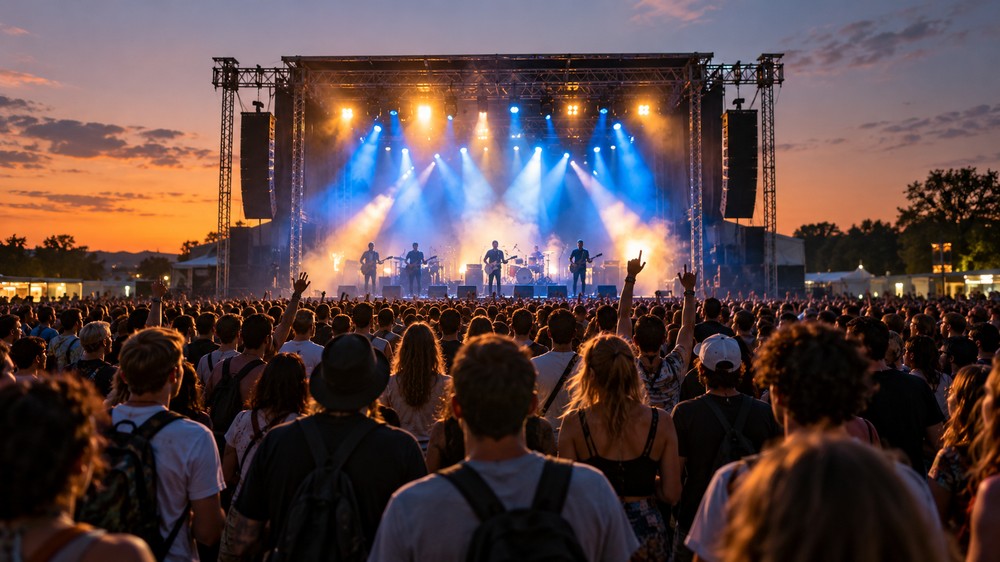
    The encore ends. You are still smiling. Then you check the time and realise your last train leaves in twenty minutes. Suddenly, the evening becomes a speed-walking competition involving thousands of people who have had exactly the same thought.

    The ticket is only the beginning

    Going to a gig can mean booking transport, arranging childcare, finding somewhere to stay and negotiating the following morning. For someone living far from the venue, a two-hour show can take most of a day. The music may be worth it, but the extra planning can decide whether they go at all.

    The last-song dilemma

    Leave early and miss the finale, or stay and risk the journey home. It is an awkward choice to make during your favourite song. Organisers can help by publishing clear access information, expected finishing times and transport advice before people buy tickets. Accurate details beat discovering the problem at the exit.

    Another way to join the night

    A remote live option could suit someone who cannot manage the travel or wants to avoid an overnight stay. With a suitable VR capture, a viewer can look around from the camera’s position rather than follow every cut chosen by a video director. The experience depends on the production, connection and compatible equipment.

    Make the choice clear

    A virtual ticket should explain the viewpoint, start time, equipment requirements and support available. Viewers also need to know whether an event is genuinely live or a recording. A short setup guide and a chance to check the connection can make the evening easier.

    Keep the music, reconsider the logistics

    Nothing quite reproduces being in a crowd with your friends. But remote attendance could open an evening to people who would otherwise miss it. Explore Live VR Events to see how an organiser could offer a different route into the performance, with no station sprint afterwards.

    Explore Live VR Events with OowOah.

  • Can a Concert Be Carbon Neutral?

    Can a Concert Be Carbon Neutral?

    A concert poster says “carbon neutral”. It sounds reassuring, but what exactly has been counted? The venue’s electricity? The equipment lorries? Your flight and hotel? Before celebrating a claim, it helps to ask where the calculation begins and ends.

    Start with a clear boundary

    An event footprint can include venue energy, production, freight, staff travel, audience journeys, accommodation, food and materials. An organiser should explain which activities are included, how information was collected and where estimates were necessary. A smaller total can reflect a narrower calculation rather than a greener event.

    Reduce what you can first

    Organisers can investigate shared transport, equipment sourced locally, reusable staging and better energy planning. Fans need usable information too: clear public transport guidance, realistic finishing times and routes home can make a difference to their decisions. A sustainable option must work on the night, not just look good on a website.

    Ask what balances the remaining footprint

    If a claim relies on carbon credits or removals, ask which projects are involved, what has been independently checked and when the claimed benefit occurs. Avoided emissions, reductions and carbon removals describe different things. Buying a credit does not mean the concert produced no emissions.

    Where could VR fit?

    Remote attendance could reduce the need for some journeys. It also uses devices, electricity and data infrastructure. The useful comparison is between a specific trip and the remote alternative, including whether that trip would actually have happened. There is no universal saving to apply to every virtual ticket.

    A better question to ask

    Instead of accepting a label alone, ask: what was measured, what was reduced and what remains? Event organisers exploring Live VR Events can start with a modest trial, gather audience feedback and assess the result. A transparent explanation is more useful than a sweeping promise.

    Explore Live VR Events with OowOah.

  • Coldplay’s Greener Tour: Could VR Help Reduce Concert Emissions?

    Coldplay’s Greener Tour: Could VR Help Reduce Concert Emissions?

    The lights come up, the crowd roars and thousands of people share the same moment. A stadium concert can be unforgettable. Getting everyone there, powering the show and moving the production between cities also leaves a footprint. Coldplay’s sustainability work offers a useful starting point for thinking about what could change.

    What did Coldplay actually achieve?

    In its June 2024 update, Coldplay reported a 59% reduction in direct CO2e emissions per show across the first two years of the Music Of The Spheres tour compared with its 2016–17 stadium tour. The figures covered production, freight, and band and crew travel, and were verified by MIT’s Environmental Solutions Initiative. Audience travel was excluded from that direct-emissions comparison. This is evidence of a specific reduction, rather than proof that the entire concert experience is carbon neutral.

    The journey belongs in the conversation

    Coldplay’s own sustainability website identifies audience travel as a major part of a tour’s emissions. For fans, a ticket may come with a long drive, a flight or an overnight stay. Cleaner production matters, and so does giving audiences practical choices about how they attend.

    Could a virtual ticket change the journey?

    A live VR option could let someone experience a performance remotely when attending would otherwise require substantial travel. The potential environmental benefit depends on whether it actually replaces that journey. Someone watching from home who would never have travelled is an additional viewer, rather than an avoided trip.

    Measure the whole alternative

    Headsets, cameras, streaming infrastructure and electricity have impacts too. An organiser would need to compare these with the journeys avoided before claiming a saving. A sensible pilot could ask viewers what they would otherwise have done and publish the assumptions behind its estimate.

    A question for the next generation of shows

    OowOah’s Live VR Events concept offers another way to think about remote attendance. This article explores a possible approach; it does not announce a Coldplay stream or partnership. The opportunity is to widen access while measuring what changes.

    Sources

    Coldplay: Tour Emissions Update, June 2024; Coldplay: Fans and audience travel.

    Explore Live VR Events with OowOah.

  • Can’t Attend a Conference? Alternatives to Travelling in Person

    Can’t Attend a Conference? Alternatives to Travelling in Person

    Check what you want from the event

    A conference can provide presentations, networking, demonstrations and time with colleagues. Remote access may cover some of these activities and miss others. Identify the sessions or conversations that matter most before deciding whether an online ticket, replay or alternative meeting is enough.

    Ask what the remote ticket includes

    Check whether you will watch live, receive recorded sessions or have access to questions. Confirm the event time zone and replay availability. Do not assume a remote ticket includes every part of the venue programme. A clearly described offering helps attendees choose without disappointment.

    Consider the viewing experience

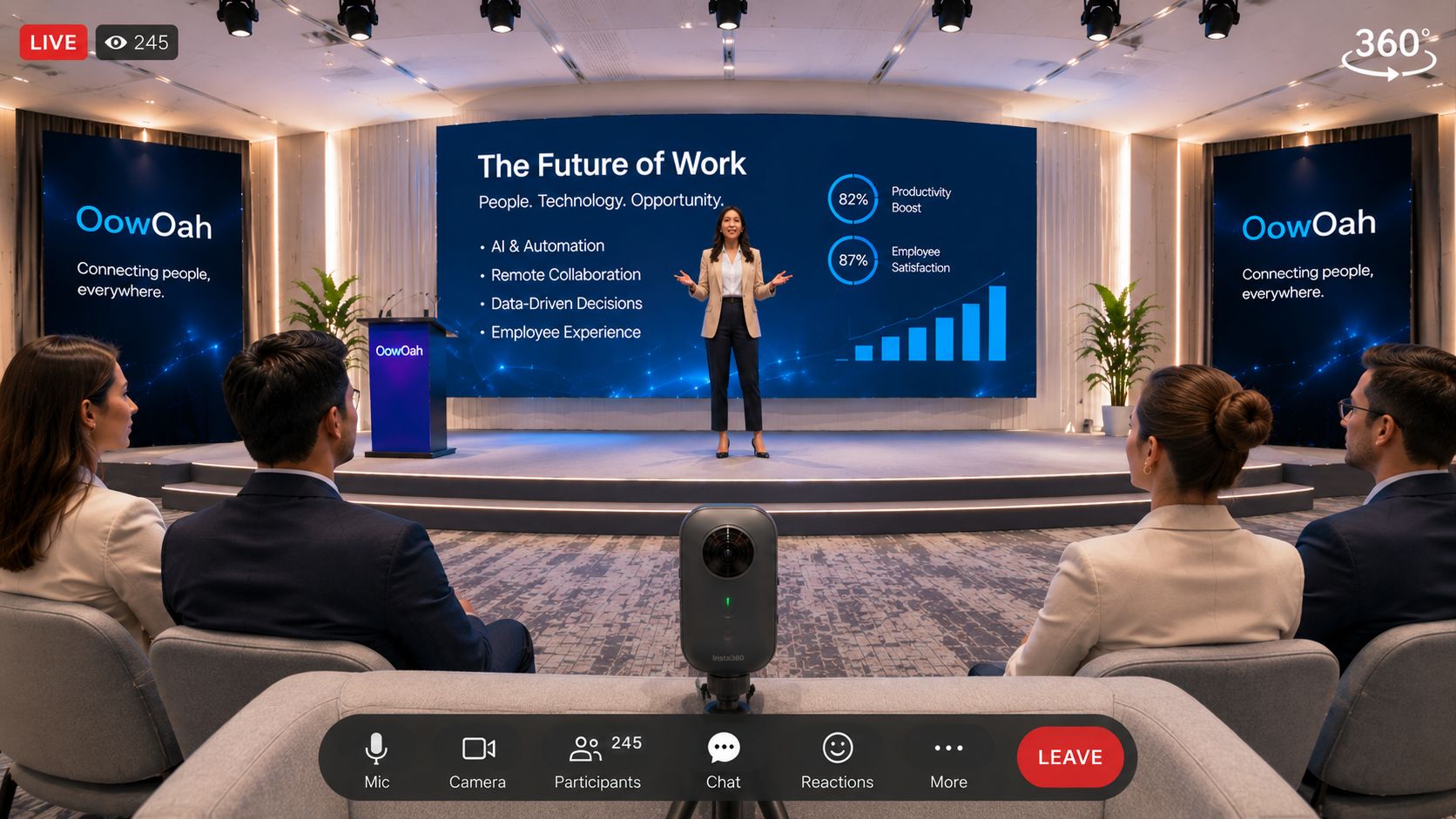
    A conventional stream shows the camera view chosen by the production team. A live 360-degree stream can let compatible headset viewers look around from the camera’s position. Neither gives unrestricted movement through the venue. Good sound, a useful camera position and clear presentation content matter whichever format is used.

    Organisers can plan for people who cannot travel

    Remote access can provide another way to attend when distance or commitments make an in-person visit difficult. OowOah Live VR is designed to add a headset audience alongside a venue audience. Check the published service information for launch timing and requirements. For any event, confirm the available format before booking.

    Explore the next step

    If this is a challenge for your organisation, find out whether a different meeting or event format could help. Explore OowOah Live VR events.

  • Live Streaming vs Recorded Events: Which Does Your Audience Need?

    Live Streaming vs Recorded Events: Which Does Your Audience Need?

    Live access and a replay serve different needs

    A live stream follows the event as it happens. A recording allows people to watch later. Some audiences value joining at the advertised time, while others need flexibility because of work or time zones. Choose around those needs rather than assuming one format suits everyone.

    Be precise about participation

    Live viewing does not necessarily include a way to ask questions. A replay may contain the questions asked at the original session, but it does not make the viewer part of that conversation. Explain these differences in the event description so customers understand what they will receive.

    Plan the recording before the event

    Confirm permissions, the intended use and how long access will last. Decide whether the replay needs editing and check that audio and presentation content will make sense afterwards. Tell attendees whether they may appear in recorded material. A usable live broadcast is not automatically a complete replay product.

    Consider live and recorded 360-degree viewing

    VR event services can provide an immersive view of a real venue through compatible headsets. Where replay access is enabled, viewers may revisit that experience later. Check the specific event’s availability and terms. Combining live access with a clearly described replay can offer flexibility, but production and permissions should be planned from the start.

    Explore the next step

    If this is a challenge for your organisation, find out whether a different meeting or event format could help. Explore OowOah Live VR events.

  • How to Run an Event for In-Person and Remote Audiences

    How to Run an Event for In-Person and Remote Audiences

    Plan two audience experiences together

    The venue audience can see the stage directly and speak with people around them. Remote attendees rely on the broadcast and whatever interaction the organiser provides. Define what each ticket includes before selling it. A clear description should explain access, timing and whether any recording will be available.

    Design the broadcast around the content

    Prioritise intelligible speech and a useful view of the speaker. If slides carry important information, check how remote attendees will read them. For 360-degree streaming, camera placement determines the viewer’s position in the venue. Keep that view clear and test the actual headset experience.

    Explain how questions will work

    A remote audience should know whether it can ask questions and how. Assign someone to manage the channel if one is offered. The presenter can acknowledge both audiences and repeat questions from the room. Do not promise interactive features unless the chosen event system supports them.

    Test the complete attendee journey

    Check discovery, booking, confirmation and entry as well as the camera feed. Have someone outside the venue test access. OowOah Live VR is intended to add a 360-degree headset audience to real events. Organisers still need suitable equipment, sound, connectivity and a clear event plan. Match the production to what attendees are paying to experience.

    Explore the next step

    If this is a challenge for your organisation, find out whether a different meeting or event format could help. Explore OowOah Live VR events.

  • Why People Book Events but Don’t Attend

    Why People Book Events but Don’t Attend

    A booking is a plan that can change

    Work commitments, illness, transport problems and family responsibilities can prevent someone from attending an event they intended to visit. Organisers should avoid assuming every absence means a lack of interest. Look at the pattern and ask for feedback before deciding how to respond.

    Remove avoidable uncertainty

    Send a concise reminder with the date, start time, venue address and joining instructions. Explain travel or arrival details where useful. Make it straightforward for someone to cancel or tell you they can no longer attend. Clear information helps people plan and gives organisers a more accurate picture.

    Offer alternatives where practical

    A remote ticket or replay may help someone who cannot reach the venue. Explain the difference from attending in person, including any networking or participation limits. If a ticket can be changed to another format, publish the terms clearly. Do not advertise a replay until you know it will be provided.

    Measure attendance by format

    Compare bookings and attendance for venue, remote and recorded access separately. Collect practical reasons for absence and use them to improve the next event. Live VR is one possible remote format when the equipment and production suit the session. It can create another attendance option, but it does not guarantee that everyone who books will join.

    Explore the next step

    If this is a challenge for your organisation, find out whether a different meeting or event format could help. Explore OowOah Live VR events.