
On a conventional livestream, somebody else decides where you look. The singer gets a close-up, the audience disappears and an interesting moment at the edge of the stage may never reach your screen. What if you could turn your head and choose your own view?
The room is part of the performance
At a comedy night, the audience reaction helps tell the story. During a talk, the room’s response can reveal which point landed. At a concert, the crowd singing together is part of the memory. A camera pointed only at the performer can leave some of that atmosphere outside the frame.
A viewpoint you can explore
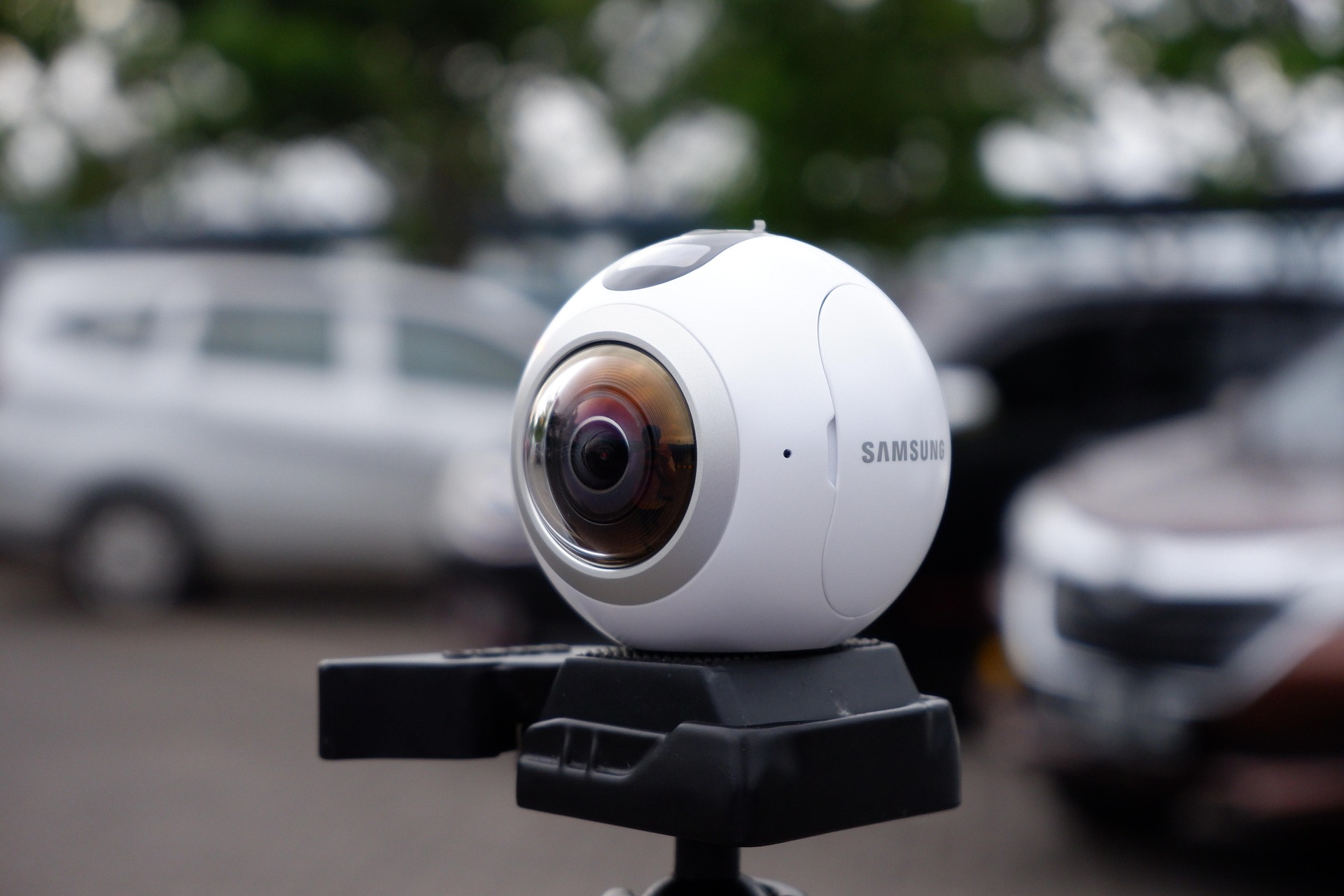
A 360-degree camera captures the scene around its position. In a suitable headset experience, viewers can turn to explore that captured view. They cannot automatically walk to a different seat or see through somebody standing in front of the lens. Camera placement remains a creative decision.
Put the camera where people want to be
A position near the front might show the performer clearly but miss the room. A position farther back could capture the atmosphere while making the stage feel distant. Organisers should test the view from audience height, check sightlines and consider how lighting affects the result before the doors open.
Your ears need a good seat too
A striking picture cannot rescue unclear sound. Test speech, music and audience noise together. Check the full viewing experience on the intended equipment, including whether sound behaves as expected when the viewer turns. Keep equipment and cables clear of audience routes.
Give viewers something worth exploring
Live VR Events invites organisers to think about the whole setting. A small venue with character may offer just as much to look at as a large stage. The aim is a considered viewpoint that lets remote viewers discover the atmosphere for themselves.