
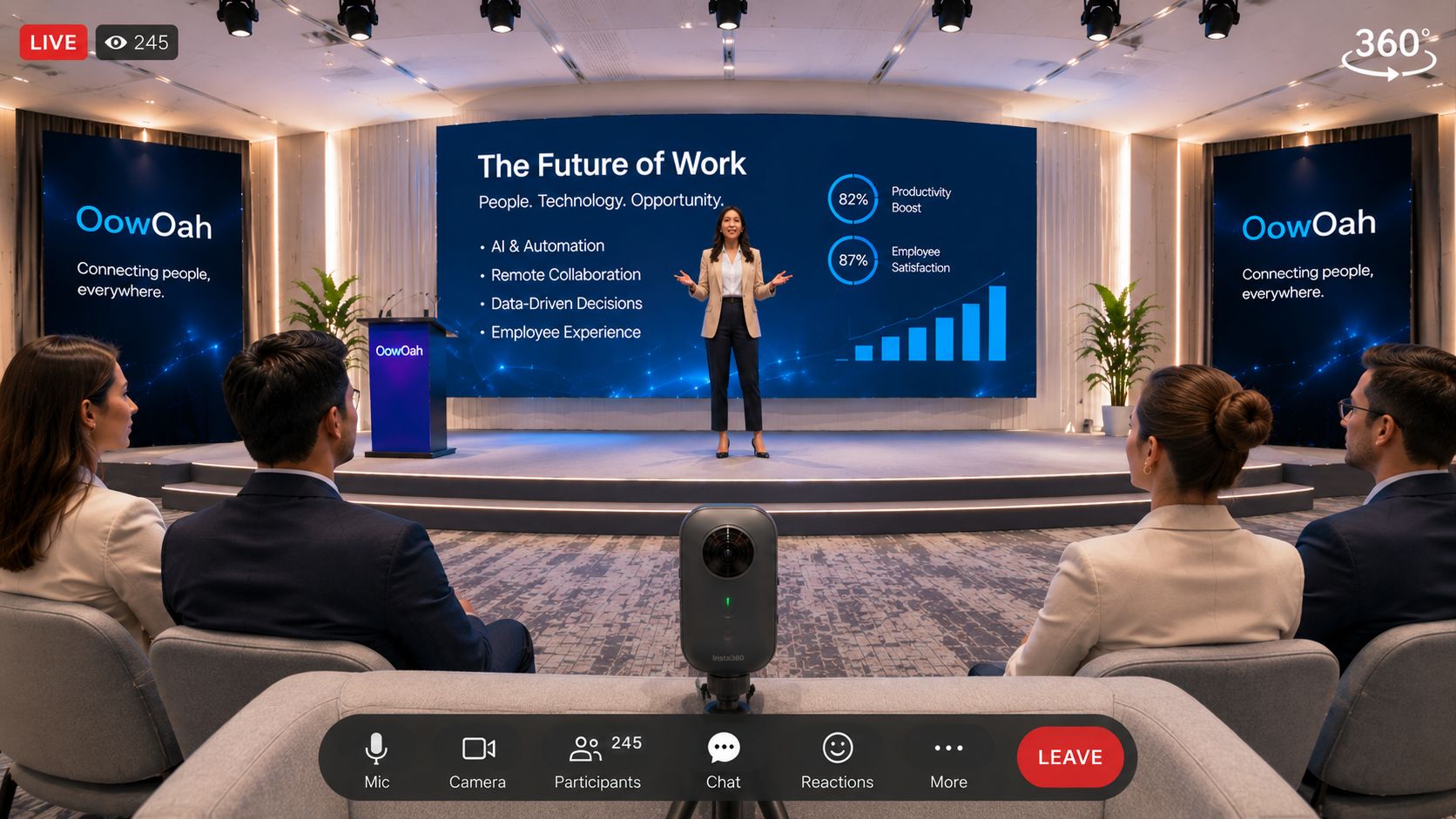
Your venue might seat eighty people. That does not mean only eighty people would enjoy what happens there. Former locals, specialist fans and people in other countries may all have a reason to join an event, even when travelling to your town is unrealistic.
Start with the people who already care
A remote audience does not appear just because a camera switches on. Begin with a recognisable reason to attend: a popular speaker, a distinctive music night or a community event people miss after moving away. Ask existing followers whether they would watch remotely and what would make the experience worthwhile.
Protect the experience in the room
Equipment should not block sightlines, interrupt the performance or create hazards. Agree the camera position with the host and venue team, test sound and check the connection under realistic conditions. The people who bought seats should still get the evening they expected.
Sort out rights before selling access
A venue booking does not automatically settle streaming permission. Agree recording and transmission arrangements with performers and check the relevant rights for music and other material. Explain filming to attendees and plan for people who do not want to appear. Resolve these details before promoting remote tickets.
Make the offer easy to understand
Publish the time zone, equipment requirements, language and what the viewer receives. Be clear about live access, any replay and the help available if something fails. Work through platform charges, production costs and support before setting a price. Extra ticket income is useful only when the economics make sense.
Think pilot, then repeat
Choose one suitable event, set a manageable audience target and collect feedback from both remote and in-person attendees. Measure ticket income, costs and what people actually enjoyed. Live VR Events could help a local venue explore a wider audience while keeping the character that makes its room special.