
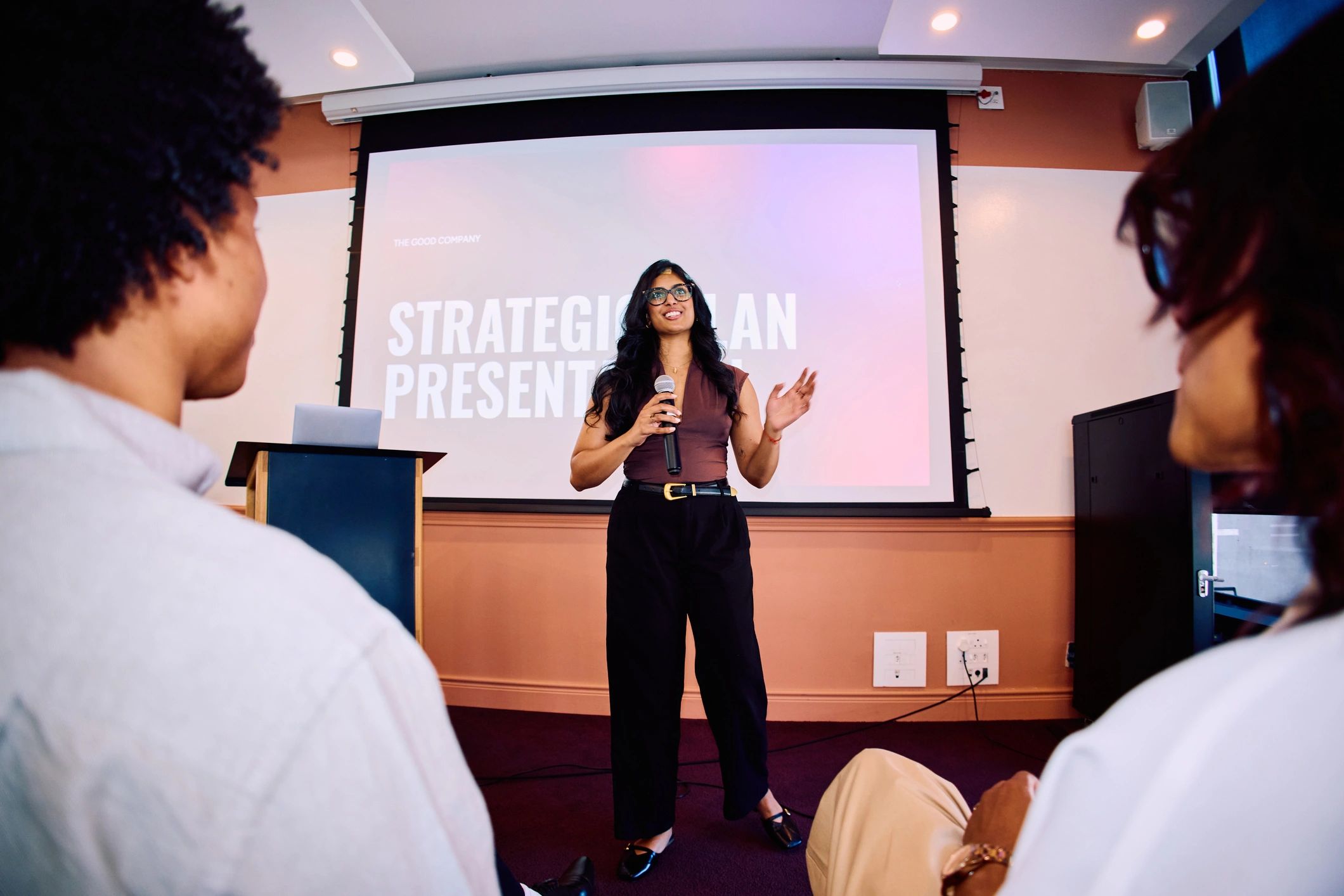
A good host can make a room feel welcome before the main event begins. They help people understand what is happening, keep the evening moving and know when to let somebody else take the spotlight.
Explain the basics without making a speech
Tell guests what to expect, how long the session will last and how questions work. Remote participants may need different instructions from people in the room. A short, clear welcome prevents confusion without delaying the reason everybody arrived.
Listen to the answer
In an interview or panel, the best next question may come from what the speaker just said. A prepared list is useful, but reading it regardless of the conversation can miss something interesting. Leave room for a follow-up that brings the audience with you.
Handle the awkward moments calmly
A late speaker, a microphone fault or a long answer can unsettle an event. A host needs a practical plan and a little judgement. Keep guests informed, avoid blaming people publicly and know who can help behind the scenes.
Make participation feel possible
Give newcomers enough context and invite questions without putting individuals under pressure. A good host does not measure engagement only by how loudly people respond. Whether guests join in person or remotely, the job is to help them feel included in the evening.
Curious about bringing people together remotely? Explore Live VR Events with OowOah.