
What PwC studied
PwC’s 2020 research compared classroom learning, e-learning and VR for a particular soft-skills course involving new managers. The training addressed inclusive leadership and unconscious bias. Understanding that context matters: the results concern a designed learning programme, not a general test of every headset application.
The findings in context
PwC reported faster course completion and stronger focus for VR learners in that study. Its UK summary states that VR participants completed the course four times faster than classroom learners and were four times more focused than e-learning participants. These comparisons describe the studied course. They are not promised results for every organisation.
What a business can take from it
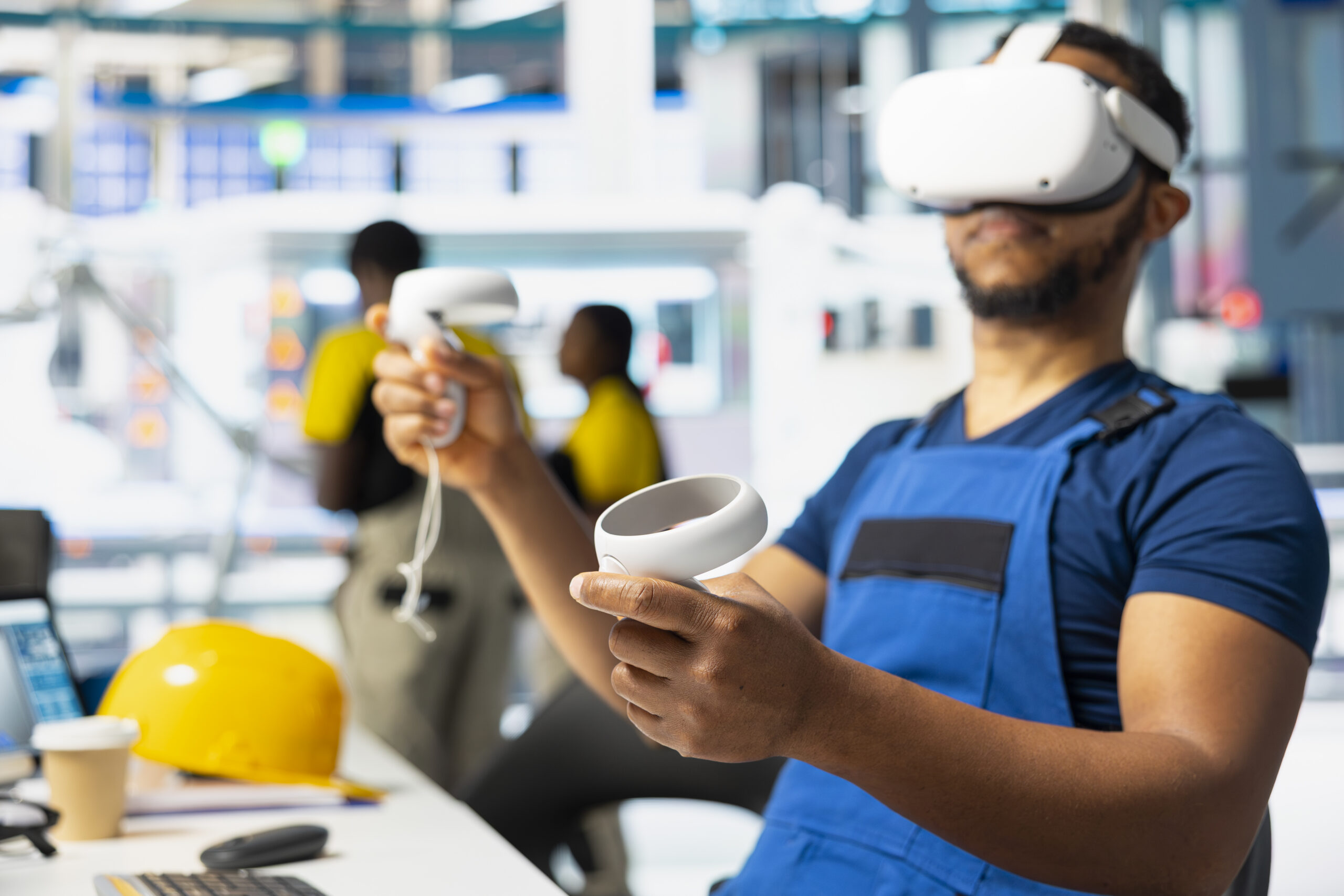
The research gives businesses a reason to consider immersive learning where practice, attention and realistic scenarios are important. A sensible pilot starts with a defined skill and a way to assess it. Compare understanding, application, learner comfort and the full cost of delivery. Headsets, preparation and content development all belong in that assessment.
Training, meetings and live events are different uses
A scenario-based VR course is different from a meeting in a virtual room or a live seminar filmed with a 360-degree camera. The study does not establish the effectiveness of OowOah or prove that VR meetings outperform video calls. It supports informed investigation of a specific training approach. Choose the experience around the actual learning or collaboration task.
Read the original source
Read PwC’s summary of its VR soft-skills training study.
Explore the next step
If this is a challenge for your organisation, find out whether a different meeting or event format could help. Explore OowOah VR Meeting Rooms.