
Every Meeting Has a Cost Whether You Notice It or Not
If every meeting cost £500, would you still hold all of them? It is a useful question because meetings are rarely free. Even when there is no travel, venue hire or catering involved, every meeting consumes paid time. Salaries, preparation, follow-up work and lost productivity all contribute to the true cost. Yet many organisations continue to schedule meetings by habit rather than by value.
Are your meetings worth the time? For many teams, the honest answer is not always. Some meetings are essential. They create alignment, solve problems and move important work forward. Others are vague, repetitive or poorly structured. They fill calendars without producing enough benefit to justify the interruption.

The Hidden Cost of Unproductive Meetings
The hidden cost of meetings is easy to underestimate because it is spread across the organisation. A one-hour meeting with eight employees does not cost one hour. It costs eight hours of working time, plus the context switching that happens before and after. If the meeting lacks focus, that time is effectively diluted across the team.
There is also the opportunity cost. While people are sitting in a low-value meeting, they are not serving clients, progressing projects, solving problems or doing deep work. Over weeks and months, this can have a significant effect on output and morale. Employees often feel frustrated when meetings interrupt productive work without delivering clear results.
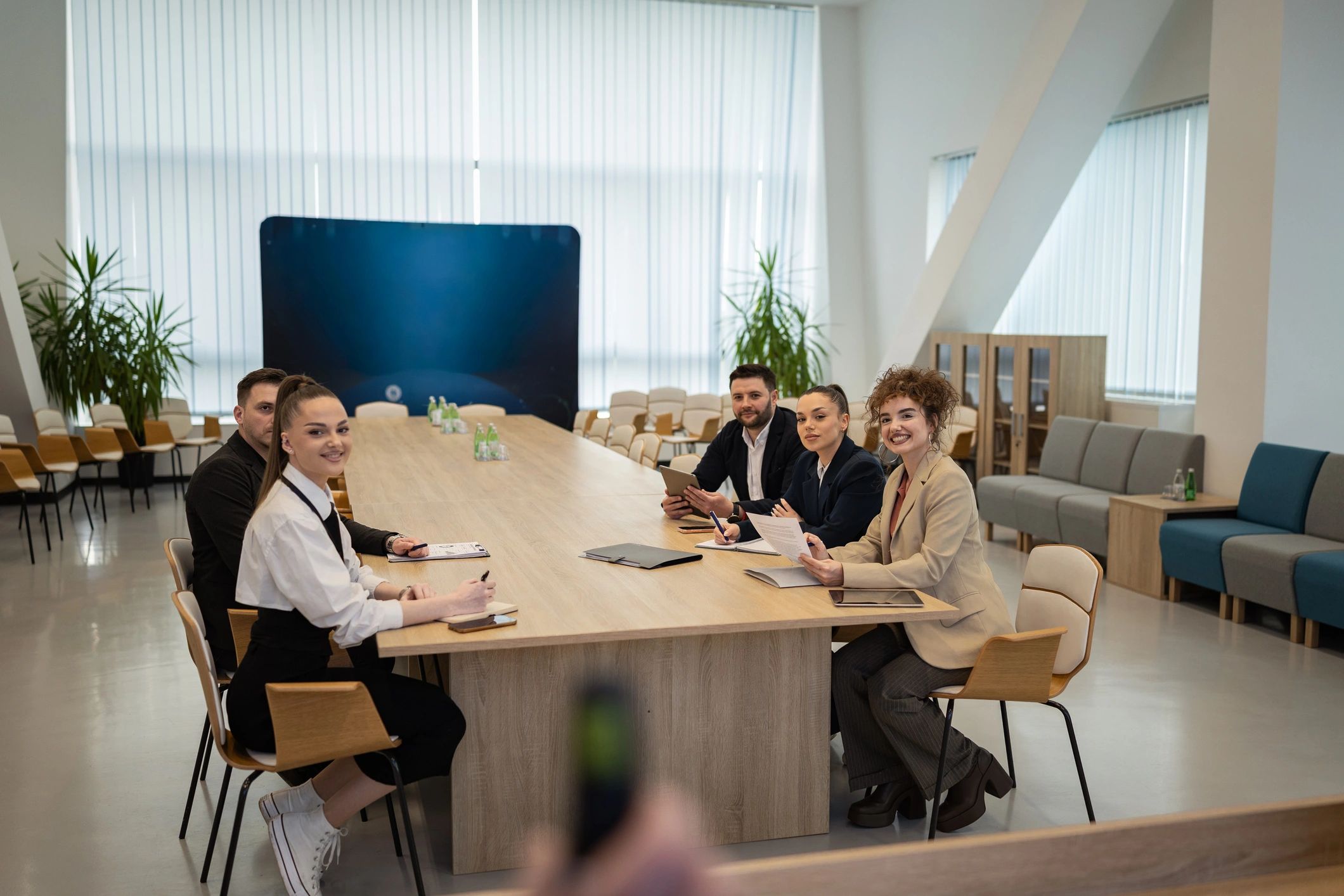
Why Better Meetings Matter More Than Fewer Meetings
The goal is not necessarily to eliminate meetings altogether. Collaboration still matters, and some discussions are best handled live. The real objective is to make meetings better. A worthwhile meeting should have a clear purpose, the right participants, a format that supports engagement and a useful outcome. If those elements are missing, the meeting should be redesigned or removed.
Better meetings also require better experiences. When people feel engaged and present, discussions become more focused and more productive. Standard digital meetings can make this harder because they often encourage passive attendance rather than active contribution.
How Immersive Collaboration Can Improve Meeting Value
Immersive collaboration environments can help organisations improve the quality of meetings by making remote interaction feel more natural and more engaging. Participants are more likely to focus when the environment feels purposeful and shared. This can lead to better discussion, clearer decisions and less need for repeated follow-up.
When meetings become more effective, businesses gain more value from the time already being invested. That matters not only for productivity, but also for culture. Teams are more likely to contribute positively when meetings feel useful rather than draining. To explore this further, visit our VR Meeting Rooms page.
It Is Time to Audit the Value of Your Meetings
If your organisation wants to work more efficiently, reviewing meeting quality is a sensible place to start. Ask which meetings genuinely move work forward, which ones could be improved and which ones exist only because they always have. Small changes in meeting quality can create meaningful gains across the business.
At OowOah, we help organisations create immersive meeting experiences that support stronger attention, better communication and more productive collaboration. If your meetings are costing time, they should be delivering real value in return.
The most expensive meetings are often the ones that look normal on the calendar but achieve very little.