
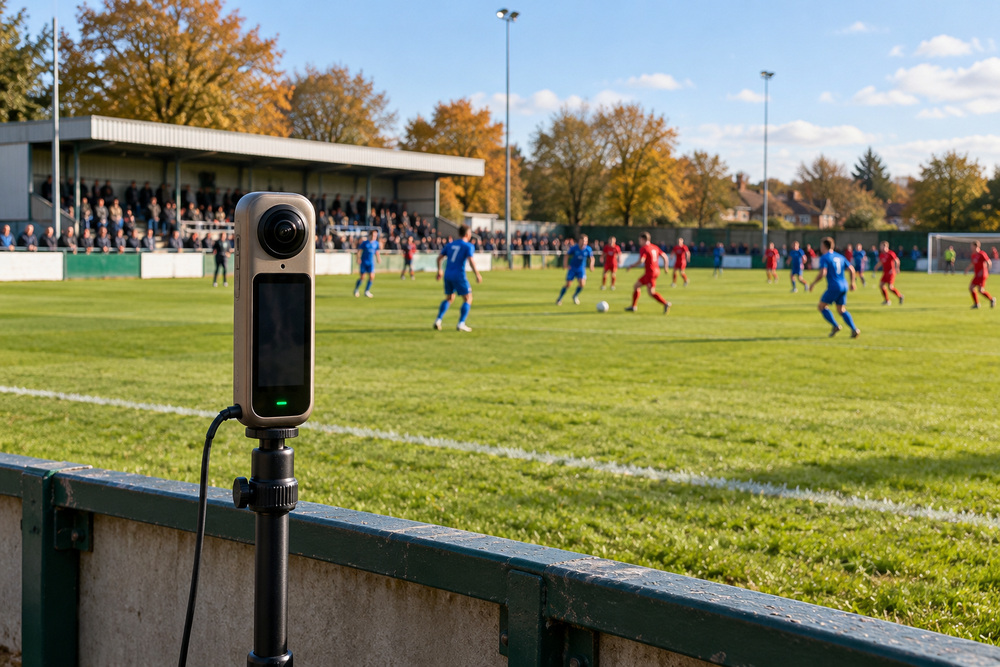
Non-league football offers something larger broadcasts can sometimes miss: a strong connection between the club, its ground and its community. Live VR could provide another way to share that setting with people unable to attend.
The opportunity is not simply reaching the largest possible audience. It may begin with a smaller group who already care about the team but live too far away to visit regularly.
Start with a known audience
Ask current supporters, former players and local businesses who might use a remote viewing option. Find out whether those people have a compatible headset. A mailing list full of interested fans is not the same as confirmed demand for VR tickets.
Choose a test event that the club can organise properly and is permitted to broadcast. Make the camera viewpoint and the match coverage clear in the invitation.
Build from the first experience
After a pilot, review how many people joined, what they could see and whether they would watch again. Their comments should guide the next step. A technical success with little audience interest calls for a different response from a popular event with a poor camera position.
OowOah Live VR could be part of that exploration. The aim is a practical addition to the club’s relationship with supporters, with the scope shaped by the ground, the permissions and what its audience values.