
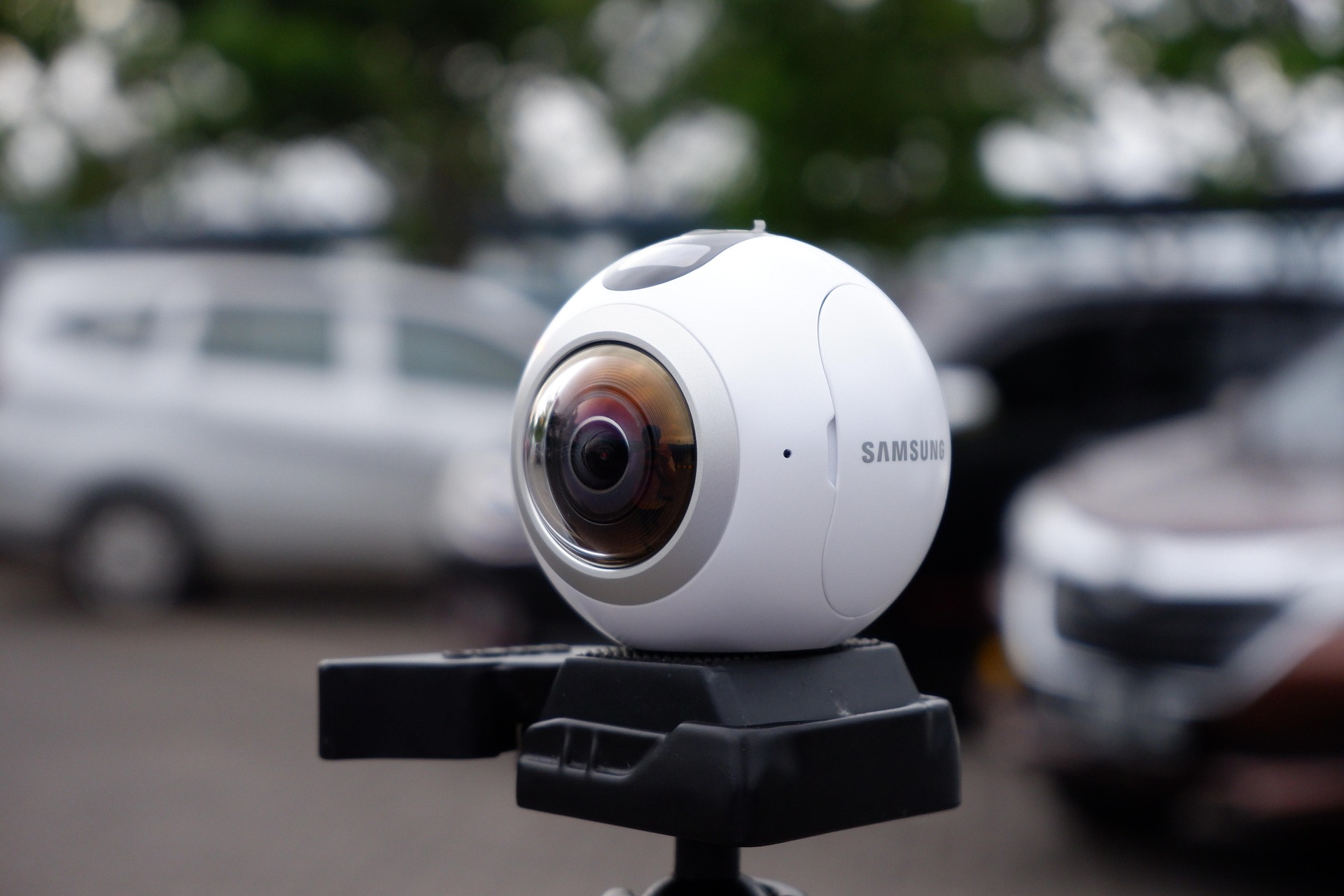
A 360° camera already lets viewers look in different directions. Moving the camera adds a second kind of change: the viewpoint itself travels. Before deciding to walk it around a venue, ask what that movement contributes to the event and how it will feel to the audience watching through headsets.
A fixed viewpoint gives the audience a place
For a talk, performance or panel, a stable camera position can give viewers a consistent reference. They can turn their heads towards the stage or around the room while remaining in the same virtual seat.
Choose that position carefully. A fixed camera behind an obstruction is still a poor view, and a stable picture cannot compensate for unclear sound. Test the programme from the audience’s device rather than deciding only by looking at the camera in the venue.
Movement needs a reason
A guided visit might need to show several places, while a seated presentation may not. Think about whether the purpose requires a moving view or whether separate planned viewpoints would communicate the subject more clearly.
Do not move the camera simply to make the broadcast look more active. Sudden turns and unexplained changes can make it harder to understand where to look. If movement is part of the proposed experience, rehearse it through the intended viewing setup and ask test viewers about clarity and comfort.
Do not confuse looking around with walking around
When a 360° camera stays in one place, turning your head changes the direction you are looking within the captured scene. It does not move you to another seat or reveal a view behind an object that blocks the camera.
A first-person stream from someone moving through a location is a different viewing arrangement from a fixed live-event camera. OowOah’s Quantum Leap and Live VR event services serve different tasks, so discuss the intended format before planning the production.
Tell viewers what their ticket offers
Describe the viewpoint, the main action and any planned camera movement. Someone expecting a steady seat at a stage should not discover halfway through that the camera is touring the building. Clear expectations help the audience choose the experience they want.
For a first live event, start with the simplest production that gives the audience a useful view and understandable sound. Review the rehearsal before adding movement. The right choice is the one that serves the programme and the people watching it.