
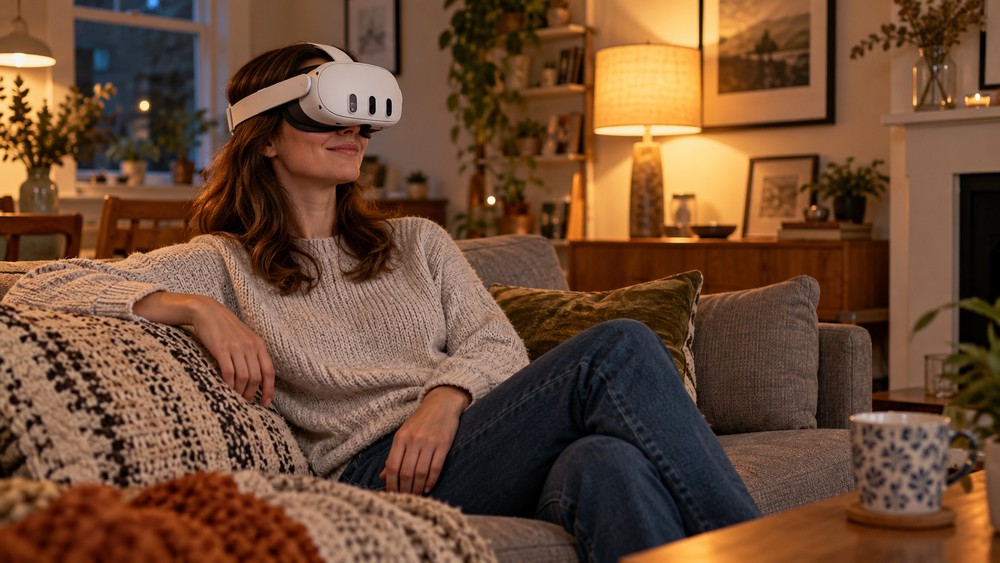
A keeper’s talk can help visitors notice details they would otherwise miss. For someone unable to travel to a wildlife centre, a live VR session could offer another way to follow that talk and look around the scene from a planned camera position.
Build the session around the place, not a promise
Animals do not follow a broadcast running order. An honest event description should avoid guaranteeing that a particular animal will approach the camera or behave in a certain way. The keeper’s explanation and the habitat can be part of the experience even when an animal remains at a distance.
Choose a subject that the centre can present responsibly. A discussion of how an enclosure is managed may offer more dependable content than a promise of a dramatic encounter. The centre should decide what is appropriate to film and share.
Let the keeper guide attention
A full 360° view gives people freedom to look around, but they may not know which detail matters. The presenter can explain where to look and what they are describing. Clear directions are particularly useful when the subject is small or partly hidden.
Check speech and background sound during a realistic test. The camera’s location needs to work for viewing while the commentary remains understandable. A beautiful scene is less useful when the explanation disappears into wind or surrounding activity.
Work within the centre’s arrangements
The centre would need to agree the filming location, staff responsibilities and what can be shown. Equipment should fit its operating arrangements, with animal welfare and the normal visitor experience guiding the plan.
A VR viewer remains at the camera’s position. They are not entering an enclosure, controlling the camera or receiving unrestricted access to the centre. Explain the viewpoint and the format before someone books.
Offer a clear remote visit
Tell the audience how long the session runs, which headset and account access they need, and whether a replay is offered. If the centre plans several subjects, describe each session specifically rather than selling a general promise to see everything.
OowOah Live VR could support a suitably planned broadcast to a compatible headset audience. This article presents a possibility for centres to consider; it does not announce an existing wildlife event or institutional partnership.